Dog Licences in Penang: MBPP and MBSP Rules Explained
Advice · Published 28 October 2026
Reviewed and approved by a NearbyWise editor before publishing.
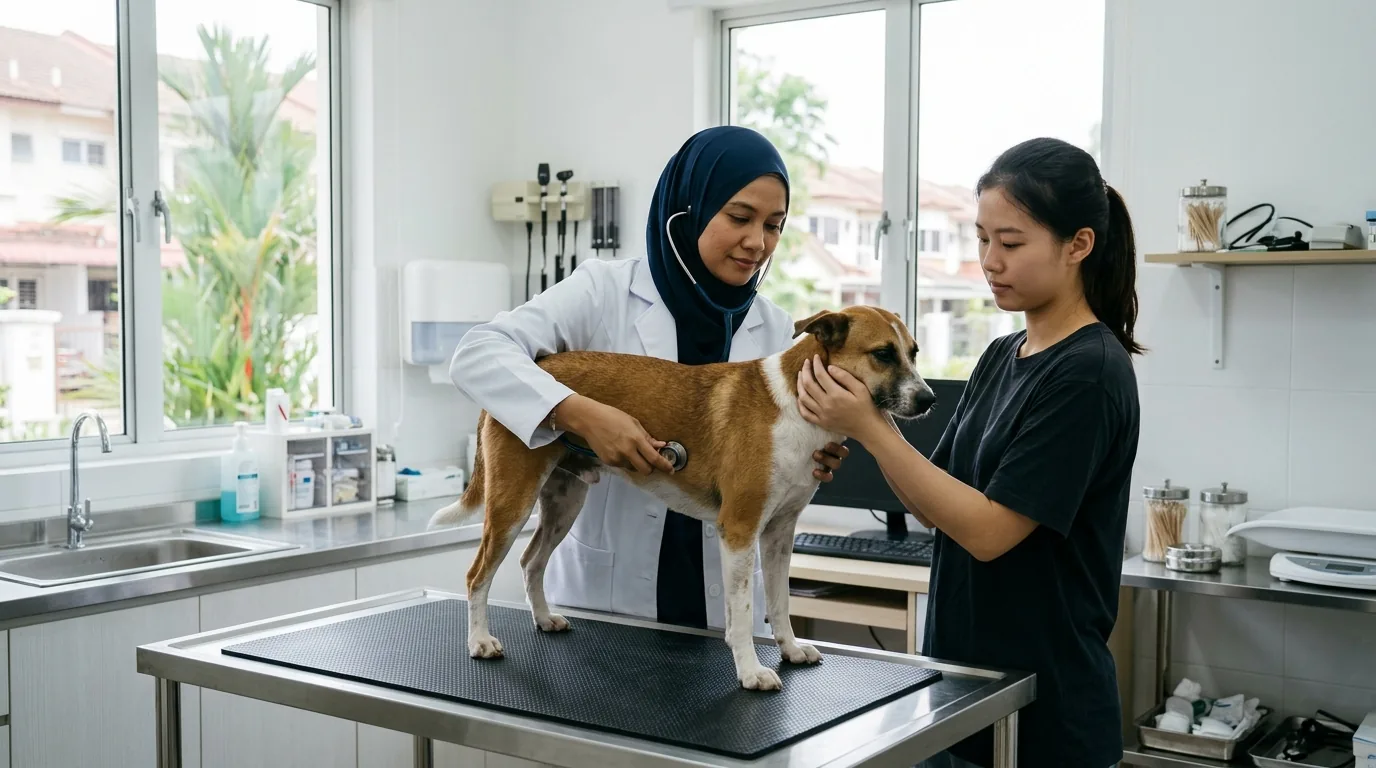
Getting a dog licence in Penang can feel confusing at first, especially if you are not sure which council covers your home or what paperwork you need. The good news is that the process is usually straightforward once you know where to start. This guide explains how the two local councils divide responsibility, what to gather before you apply, how renewals tend to work and what everyday duties come with owning a licensed dog. Rules and fees can change, so treat this as a practical starting point and always confirm the current details directly with your council before you submit anything.
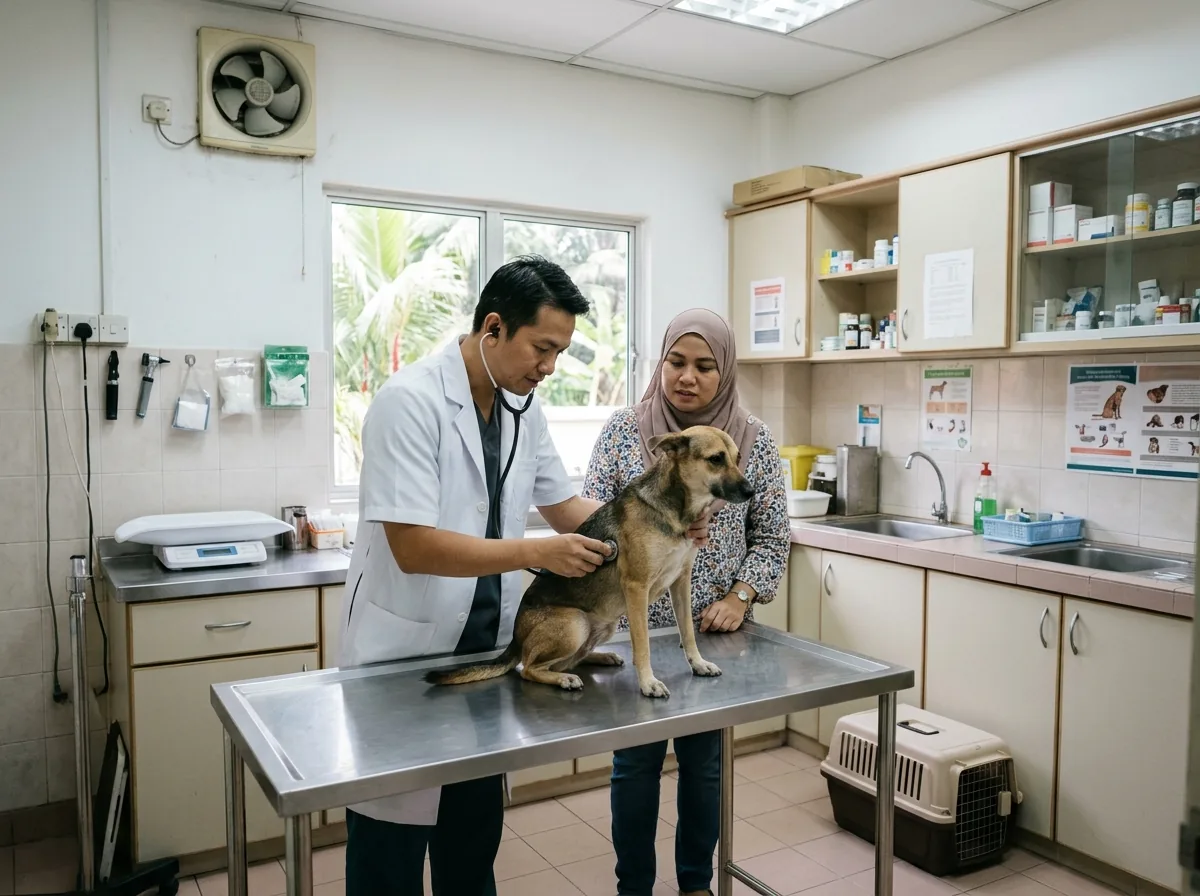
Know which council covers you
Penang has two city councils, and the one you deal with depends on where your dog lives, not where you work or where your vet is based.
- MBPP (Majlis Bandaraya Pulau Pinang) covers Penang Island, including George Town and the surrounding island areas.
- MBSP (Majlis Bandaraya Seberang Perai) covers the mainland side, including areas such as Butterworth, Bukit Mertajam and Nibong Tebal.
If you have recently moved across the bridge, your old licence may not carry over automatically, so check whether you need to apply afresh with the new council. When in doubt, call the council's general line or visit a customer service counter and give your full address. Staff can confirm which department handles animal licensing and point you to the right form, saving you a wasted trip.
Check your home is suitable first
Before applying, find out whether your type of home is allowed to keep a dog. Councils in Malaysia commonly treat landed homes, such as terrace, semi-detached and bungalow houses, differently from high-rise or strata properties like flats and condominiums. In many cases, dogs are not permitted in high-rise units, though you should confirm the current position with your council rather than assume.
If you live in a strata development, your management body or residents' association may also have its own house rules about pets. It is worth reading these and asking the management office directly. There may also be a limit on how many dogs one household can license, and the number can depend on the size of your property. Asking these questions early helps you avoid disappointment, especially if you are planning to adopt.
Documents to prepare
Requirements can vary between councils and over time, but gathering the following before you apply will usually make things smoother:
- Your identification, such as a copy of your MyKad or passport.
- Proof of address, for example a recent utility bill or tenancy agreement.
- A vaccination record from your vet showing your dog's rabies vaccination is up to date.
- Recent photos of your dog, clear enough to identify them.
- Microchip details, if your council asks for them.
- Written permission from your landlord, if you rent.
Keep both paper and digital copies. Ask your vet's clinic for a printed vaccination card or certificate if you only have a record on file there, as the council will usually want to see the document itself.
How to apply
Once your paperwork is ready, you can usually apply at the council's licensing or health department counter. Some councils also offer online services, so check the official council website to see what is currently available for dog licensing, and make sure you are using the genuine government site rather than a third-party page.
Fill in the application form carefully, matching names and addresses to your documents exactly. Pay the licence fee as instructed by the council; the amount is set by the council and may differ for different types of dog or neutered and unneutered dogs, so ask for the current rate. Keep your receipt safe. You may be given a licence tag for your dog's collar, which helps identify your dog as licensed if they ever wander. Allow a little time for processing, particularly around busy periods.
Renewing on time
Dog licences are generally valid for a set period and must be renewed before they expire. A simple way to stay on track is to set a phone reminder a few weeks ahead of the expiry date, giving you time to update anything that has changed.
When renewing, you will typically need your existing licence details and an up-to-date vaccination record. If you have moved house, changed phone number or your dog's details have changed, tell the council so their records stay accurate. Letting a licence lapse can mean penalties or extra steps to put things right, so it is far easier to renew promptly. If you have missed the deadline, contact the council as soon as possible and explain; it is usually better to sort things out openly than to wait.
Your everyday responsibilities
A licence is only part of being a responsible owner. Councils generally expect you to keep your dog in a way that respects your neighbours and keeps everyone safe.
- Keep your dog secured within your property, with gates and fencing in good repair.
- Use a lead in public areas such as streets and parks.
- Clean up after your dog every time, carrying bags with you.
- Manage noise, especially persistent barking early in the morning or late at night.
- Keep vaccinations current and the collar tag on.
Be mindful that some neighbours may be uncomfortable around dogs for personal, cultural or religious reasons. A friendly word, keeping your dog close when passing others and choosing considerate walking routes all go a long way towards good relations in your neighbourhood.
When problems come up
If a neighbour complains or the council contacts you about your dog, stay calm and respond politely. Listen to the concern, take reasonable steps to fix it and keep a record of what you have done. Many issues, such as barking or a gap in the fence, can be resolved quickly with goodwill.
If your dog goes missing, contact the council promptly, since stray or roaming dogs may be collected by enforcement teams. Having a valid licence, a collar tag and microchip details ready makes it much easier to prove ownership. For any worries about your dog's health or behaviour, speak to a qualified vet or a reputable trainer. For legal disputes, such as a serious disagreement with a neighbour or landlord, consider seeking advice from a qualified lawyer or a local mediation service.

Frequently asked questions
Do I need a dog licence in Penang?
Yes, dog owners in Penang are generally required to license their dogs with the relevant city council. Contact MBPP if you live on the island or MBSP if you live on the mainland to confirm current requirements.
Can I keep a dog in a Penang condominium?
Dogs are often not permitted in high-rise or strata homes, but rules can vary. Check with your council and your building's management before bringing a dog home.
How much does a dog licence cost in Penang?
Fees are set by each council and can change or vary depending on factors such as whether your dog is neutered. Ask your council or check its official website for the current rate.
What happens if my dog's licence expires?
You may face penalties or need to take extra steps to bring the licence up to date. Contact your council as soon as you notice and renew promptly.
This is general information, not veterinary advice. If your pet seems unwell, see a vet. Something here wrong or out of date? Report a correction.