Knott's Scary Farm Date Night: Best Nights and What to Skip
Advice · Published 14 October 2026
Reviewed and approved by a NearbyWise editor before publishing.
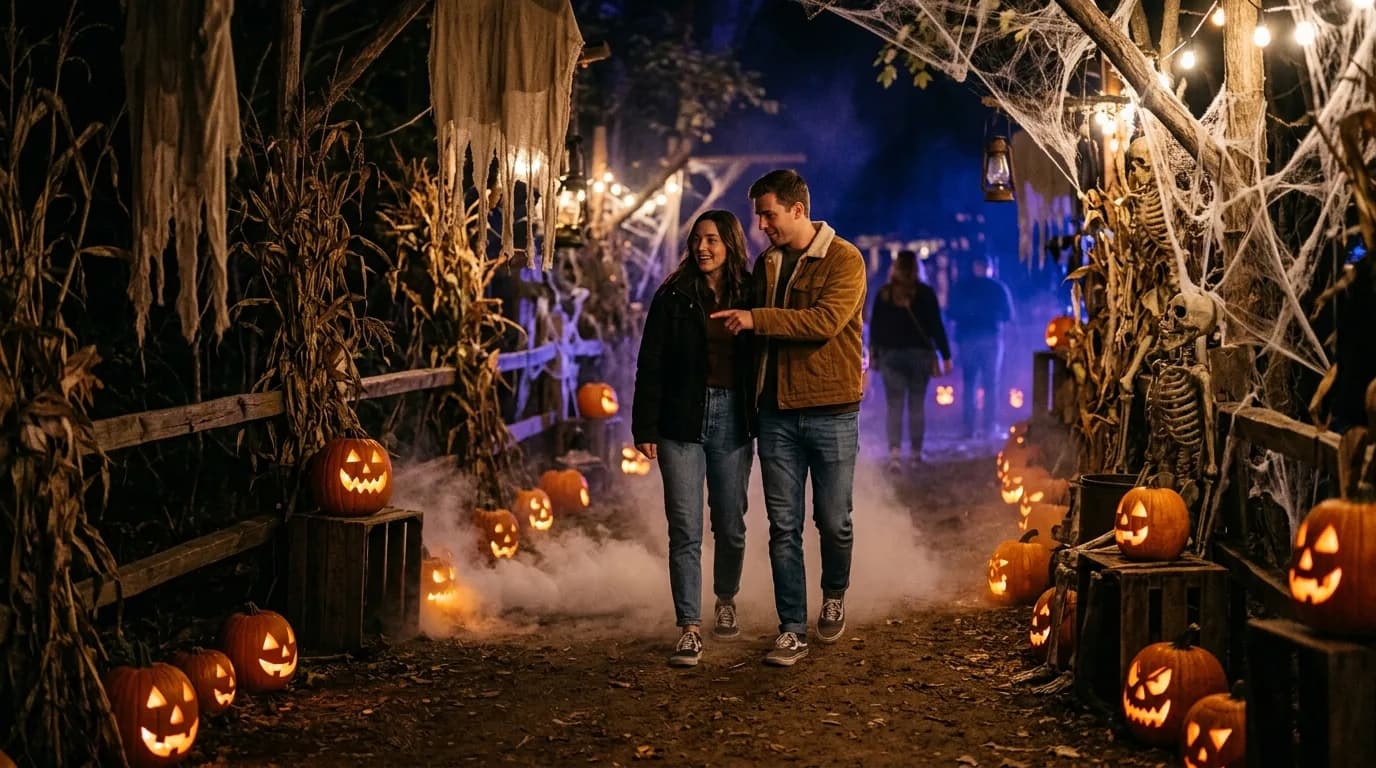
A Halloween haunt can make a memorable date. There's shared adrenaline, plenty to talk about, and a natural excuse to stay close. But a packed night of long lines, mismatched fear levels and a tired drive home can turn the mood fast. This guide helps you choose a remaining night that fits your plans, arrive at a sensible time, and skip the parts that drain the fun. Event details change from season to season, so check the official calendar and ticket information before you commit. Then use these tips to shape an evening that works for both of you.
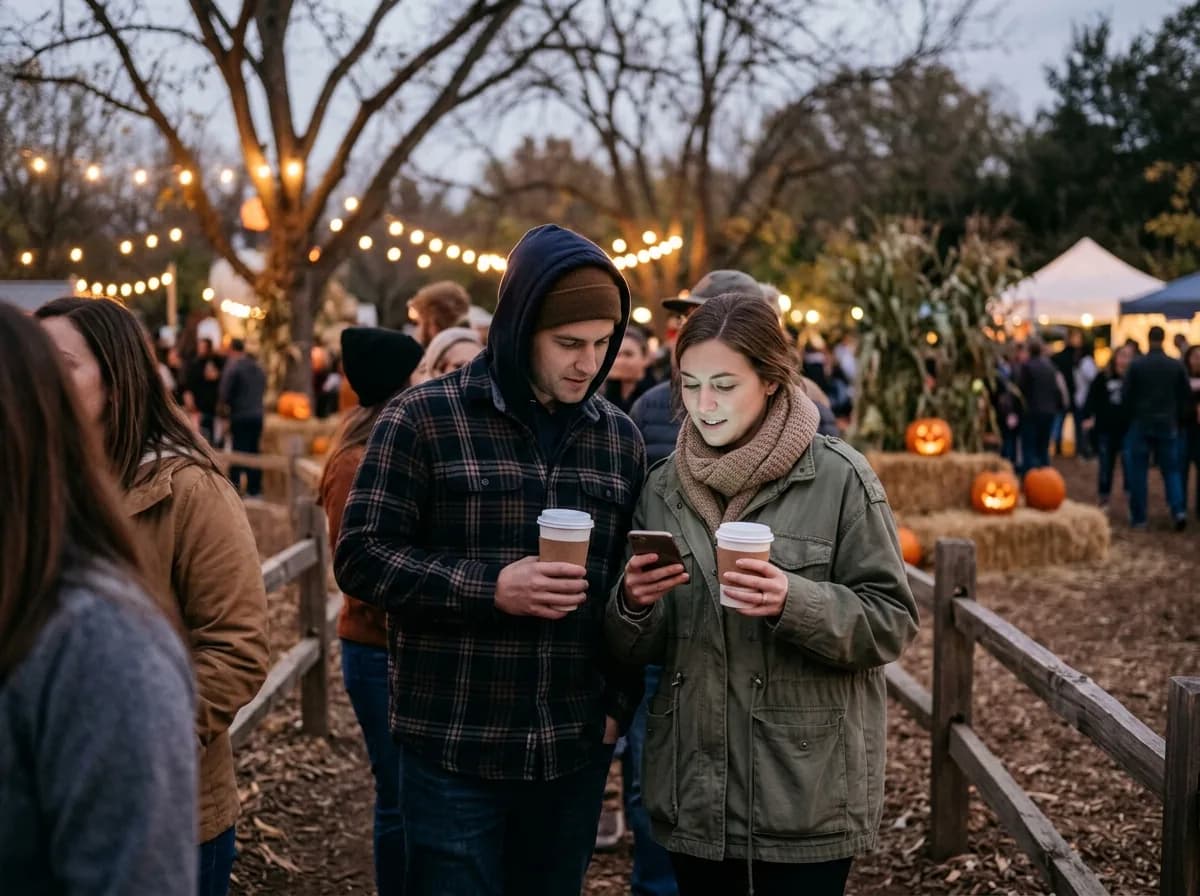
Talk About Scare Levels First
Before you buy anything, have an honest, low-pressure chat about how each of you feels about being scared. Some people love jump scares, and others enjoy the atmosphere but hate being startled. Neither is wrong, and a good date respects both.
- Ask what your date enjoys and what they would rather avoid, like loud surprises, tight spaces, strobe lights or certain themes.
- Agree on a simple signal that means "let's step out," and honor it without teasing.
- Decide together whether you'll do everything side by side or split up for a few minutes if one of you wants a break.
This conversation isn't a mood killer. It shows care, and it means you can both relax into the night instead of bracing for it.
Choosing Which Remaining Night Suits You
Start with the official event calendar, since operating nights and hours vary by season. Once you know what's left, think about what kind of date you want.
Weeknights at big seasonal events are often calmer than weekends, which can mean shorter waits and more chances to talk. If you both have flexible schedules, a weeknight can feel more relaxed.
Friday and Saturday nights usually bring more energy and bigger crowds. That suits couples who enjoy a lively, busy atmosphere.
Nights close to Halloween tend to fill up quickly, so book early if you have one in mind. Also consider work the next morning. A late night with a long drive home can leave one of you running on empty.
When to Arrive for a Smoother Evening
Arrival time shapes the whole night. Getting there before the gates open gives you time to park, find each other if you're coming separately, and settle in without rushing. Check the official site for opening times and parking details for your chosen date.
A few practical ideas:
- Eat a proper meal beforehand so hunger doesn't cut the night short or sour the mood.
- Plan your route around Orange County traffic. Evening freeways can be slow, especially on weekdays.
- If you're meeting for the first time or haven't known each other long, make sure each of you has your own way home.
Arriving with a little time to spare means your first conversation is about the night ahead, not about stressful parking.
What to Skip to Protect the Date
You don't have to do everything, and trying to often backfires. Here's what many couples are better off skipping:
- The longest single line of the night. A very long wait for one attraction can eat a big chunk of your evening. If it's a must-see, do it early or late rather than at peak.
- Anything outside your agreed comfort zone. If a theme or format isn't for one of you, let it go.
- Scaring your date on purpose. Hiding, grabbing them or pushing them toward performers isn't romantic. It breaks trust.
- Overpacking the schedule. Leave room for wandering, people-watching and simply chatting between attractions.
A shorter list done together beats a frantic checklist.
Keeping Conversation and Connection Going
The best part of a haunt date is often the moments between the scares. Walking from one area to the next is a great chance to laugh about what just happened, compare reactions and get to know each other.
Try easy, open questions such as which moment surprised them most, or which spooky movies or stories they grew up with. Notice if your date seems tired, cold or overwhelmed, and offer a break without making a fuss. A warm drink, a quieter corner or a sit-down can reset the mood.
Be mindful with your phone. A photo or two is fine, but constant filming can pull your attention away from the person you came with.
Comfort, Safety and Heading Home
Small preparations make a big difference. Wear comfortable shoes, since you'll likely be on your feet for hours. Bring a light layer, because evenings can cool down. Check the event's current bag and entry rules before you go.
Agree on a meeting spot in case you get separated in the crowd, and keep your phone charged. If either of you has a health condition that intense effects could affect, such as heart concerns or sensitivity to flashing lights, it's worth speaking with a doctor beforehand.
Plan the end of the night too. Decide who's driving, skip alcohol if that's you, and make sure everyone gets home safely. A quick "home safe?" text afterward is a thoughtful touch.
Frequently asked questions
Is a haunt a good first date?
It can be, as long as you both genuinely enjoy scary experiences and agree on boundaries ahead of time. If you're unsure how your date feels about being frightened, a lower-key first date may be a kinder choice.
What if one of us gets too scared partway through?
Step out together without any teasing or pressure to continue. Grab a snack, find a calmer spot, and let the person who felt uneasy decide whether to keep going or call it a night.
How long should we plan to stay?
Many couples find a few hours is plenty, especially on a work night. Decide on a rough end time together so neither of you feels stuck.
Should we buy tickets in advance?
Popular nights near Halloween can sell out, so checking the official ticket information early is wise. Buying ahead also means less time in lines at the gate.
This is general advice, not professional counselling. If a relationship is affecting your safety or wellbeing, speak to a counsellor or a local support service. Something here wrong or out of date? Report a correction.