How to Get a Table at NYC's Hardest-to-Book New Restaurants
Advice · Published 13 October 2026
Reviewed and approved by a NearbyWise editor before publishing.
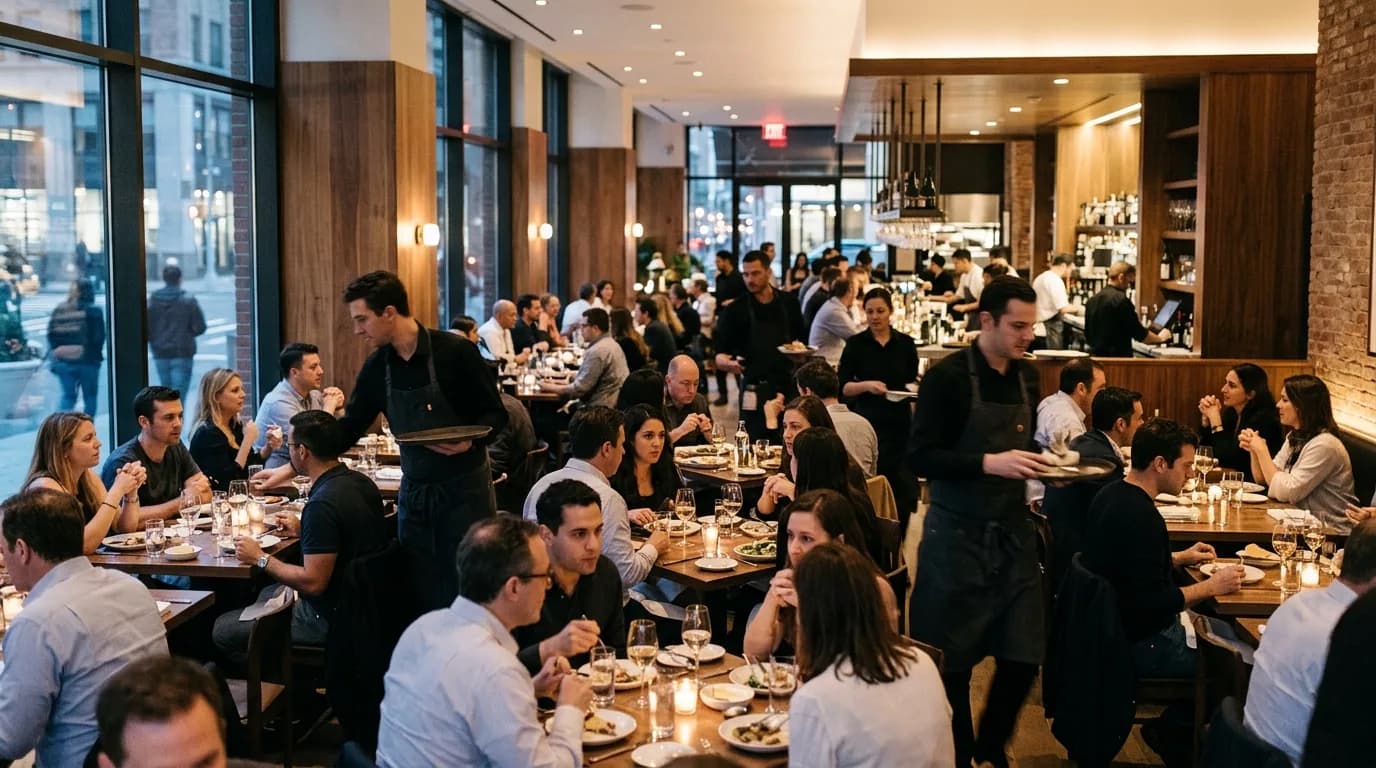
A new restaurant opens in New York, everyone is talking about it, and every reservation seems to vanish the moment it appears. It can feel like the system is rigged, but most tables go to people who know a few simple habits: when to look, how to stay flexible and when to skip the booking altogether. You don't need connections or luck. You need a plan, a bit of patience and a willingness to eat at 5:30 or 10 p.m. Here is how to give yourself a real chance at that table, without stress and without cutting corners.
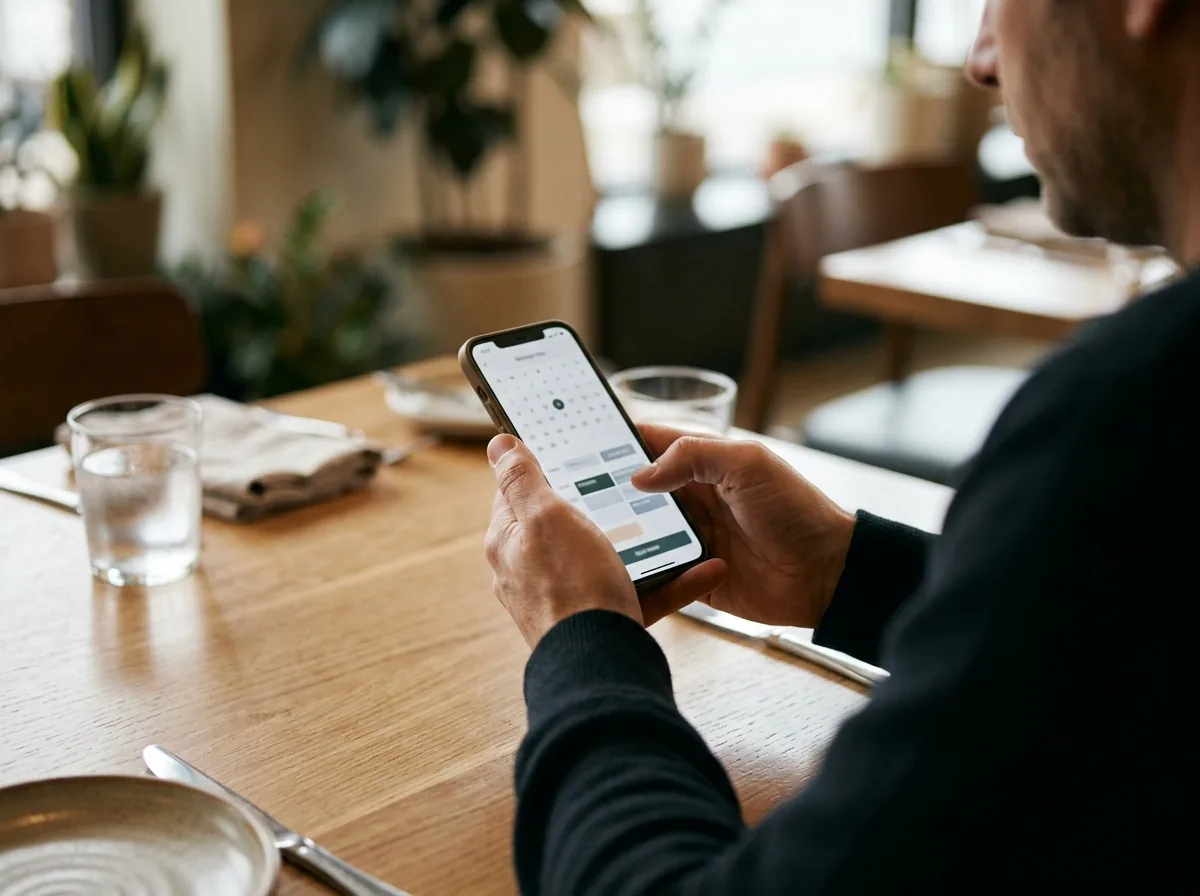
Find out exactly when bookings open
Many popular restaurants release tables on a set schedule, often a specific number of days ahead at a specific time of day. That window is the single most useful thing to know. Check the restaurant's own website, its booking page and its social media accounts, where release times are often posted. Some places drop a full month at once; others add one new day every morning.
Once you know the pattern:
- Set a phone reminder a few minutes before release time.
- Be logged in to your booking account with payment details saved, since some places ask for a card to hold a table.
- Decide in advance on your party size and two or three acceptable time slots so you can tap quickly.
Popular slots can disappear within moments, so being ready matters more than refreshing endlessly.
Use alerts and waitlists to your advantage
Plans change constantly in New York, and cancellations happen every day. Many reservation platforms let you sign up for a notification when a table opens for a date and time you choose. Turn these on for several dates rather than just one, and keep your phone's notifications enabled so you can act fast.
Some restaurants also keep their own waitlist, either online or by phone. If you get a call or text, respond promptly, because the table may be offered to the next person within a short time.
A few tips that help:
- Check the day of and the day before, when last-minute cancellations are most common.
- Set alerts for wider windows, such as any time between 5 and 10 p.m.
- Only accept tables you'll use, so the spot isn't wasted for someone else.
Be flexible on day, time and party size
The hardest tables to get are Friday and Saturday at 7 or 8 p.m. for four people. Shift any one of those and your odds improve. Early dinners, late seatings and weeknights, especially Monday through Wednesday, tend to have more openings.
Party size matters too. Tables for two are usually the easiest to fit in, and solo diners often have the best luck of all, particularly for counter or bar seats. Larger groups can be tricky, so if you have six people, consider splitting the plan or choosing a restaurant that takes group bookings.
It also helps to be open about the season. A new spot is often hardest to book in its first few weeks of buzz. If you can wait a couple of months, the rush may settle, and you'll still get to try it while it's new to most people.
Walk in with a smart strategy
Many sought-after restaurants hold back some seats for walk-ins, and showing up in person can be the most reliable route. The key is timing. Arrive shortly before doors open, or right as they do, and you may be seated in the first wave. Late evening can also work as early diners leave.
To make walking in easier:
- Check whether walk-ins are accepted by looking at the restaurant's website or calling ahead.
- Come with a small party, ideally one or two people.
- Ask to put your name down and leave a phone number, then wait nearby, perhaps with a walk around the block.
- Have a backup spot in the neighborhood in case the wait runs too long.
Be friendly and patient with the host. They're juggling a lot, and a calm, courteous request goes much further than pressure.
Try the bar, counter or patio
Bar and counter seats are often first come, first served, even at restaurants that are fully booked online. Many places serve the full menu at the bar, so you can enjoy the same food in a livelier, more casual setting. Counter seating at open kitchens can be a highlight in itself, since you get to watch the cooks at work.
If you're dining with anyone under 21, check the restaurant's rules first, as some bar areas have age restrictions. Ask the host whether there's counter or communal table seating that works for your group instead.
Outdoor seating, when available in warmer months, is another option that sometimes has its own walk-in policy. Ask when you arrive which areas are open to walk-ins and how long the likely wait is.
Be a guest restaurants want to welcome back
Restaurants remember considerate diners. If you have a reservation you can't use, cancel as early as possible so someone else gets the table and you avoid any cancellation charge the restaurant may have. Arrive on time, and call if you're running late.
Once you've been, it's worth returning. Regulars who are polite, pleasant and reliable can find it easier to get seated over time, simply because staff know them. Joining a restaurant's mailing list or following its accounts can also keep you informed about special events, new seating areas or extra tables being released.
A few honest habits matter here:
- Don't book multiple tables you don't plan to use.
- Give accurate party sizes.
- Thank the staff, especially if they squeezed you in.
Steer clear of resold reservations
When demand is high, you may see people offering reservations for sale online or in group chats. It's best to avoid these. Many restaurants don't allow transfers, and the table may be canceled or refused when you arrive under someone else's name. There's also a real risk of paying for something that doesn't exist, with little way to get your money back.
Stick to booking directly through the restaurant or its official reservation channel. If a friend genuinely can't use their table, ask them to contact the restaurant to see whether it can be changed to your name rather than simply passing it along.
It can be frustrating to miss out, but there will always be another chance. Patience, flexibility and a polite approach will get you to that table more reliably than any shortcut.
Frequently asked questions
What's the best time to try for a reservation at a new restaurant?
Right when the restaurant releases new tables, which is often posted on its website or social media. The day before and the day of your desired date are also good times to check for cancellations.
Is walking in actually worth it?
Often, yes, especially if the restaurant holds seats for walk-ins and you arrive near opening time with a small party. Have a nearby backup plan in case the wait is long.
Can I get a table faster by dining alone?
Solo diners frequently have the easiest time, since a single bar or counter seat is simpler to fit in. It can be a relaxed way to try a buzzy place before bringing friends.
Should I buy a reservation from someone online?
It's best not to, as many restaurants don't allow transfers and you risk losing your money. Book directly through the restaurant or its official booking channel instead.
This is general information to help you plan. Something here wrong or out of date? Report a correction.