Where to Watch the NYC Marathon: Spots, Trains and Timing
Advice · Published 27 October 2026
Reviewed and approved by a NearbyWise editor before publishing.
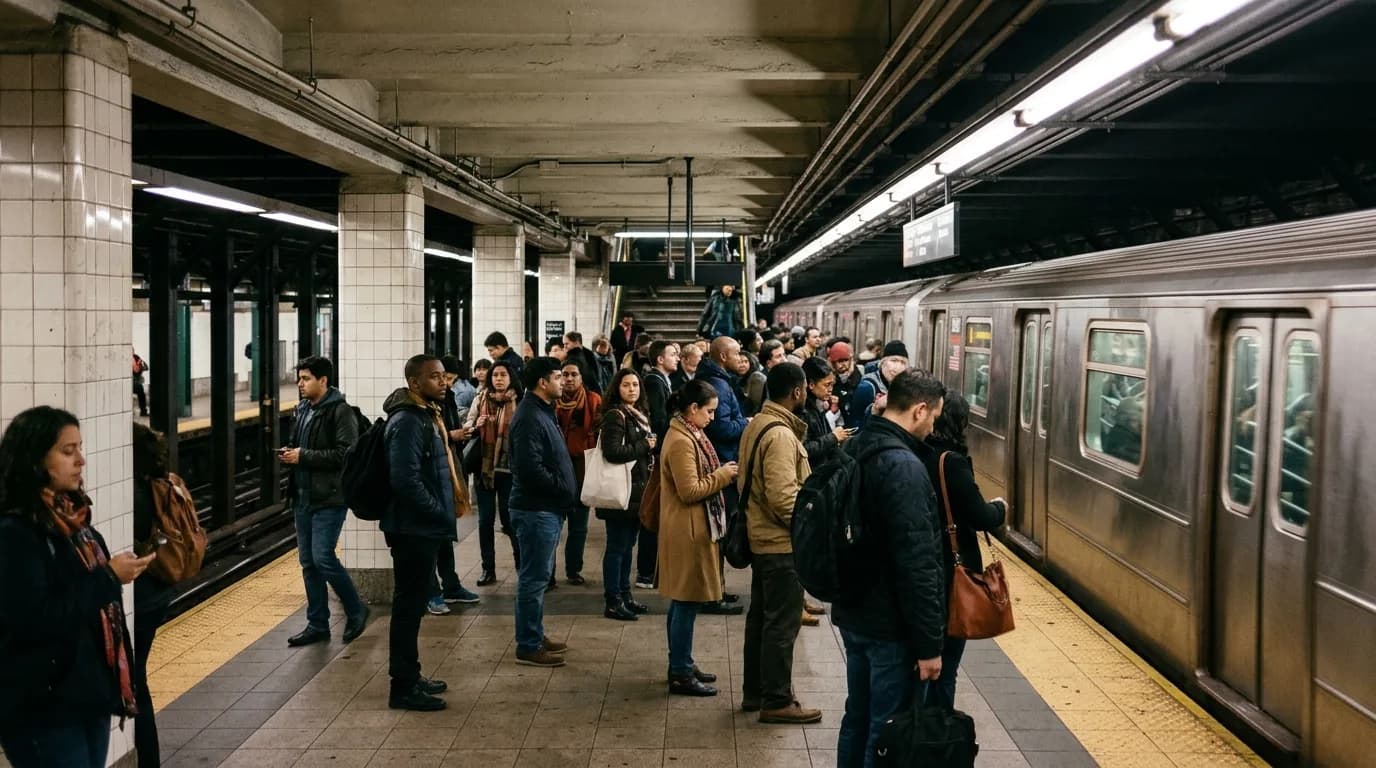
Cheering at the New York City Marathon is one of the most joyful ways to spend a fall Sunday in the city. The course runs through all five boroughs, so you have plenty of places to stand. Good planning matters, though. Crowds are thick, streets close, and the subway gets busy. This year there's an extra twist: race day falls on Sunday, Nov 1, the morning clocks go back an hour. This guide covers how to pick a spot, get there by train, time your runner's arrival, and catch them more than once without missing them.
Understand the Course First
Before you choose a spot, get a rough picture of the route. Runners start on Staten Island and cross the Verrazzano Bridge into Brooklyn, where they spend roughly the first half of the race. They pass through Queens briefly, cross the Queensboro Bridge into Manhattan, and head up First Avenue. Next comes a short loop through the Bronx, then back into Manhattan down Fifth Avenue and into Central Park for the finish.
Bridges are generally closed to spectators, so plan to watch from the streets on either side. Check the official course map on the race organizer's website the week before. It shows mile markers, and you'll want those for timing. Mile numbers turn a vague plan like "somewhere in Brooklyn" into a specific corner where your runner knows to look for you.
Popular Places to Stand
Each stretch has its own feel, so pick one that suits your group:
- Fourth Avenue, Brooklyn: long, wide, and easy to reach. It works well early in the race, when runners are still fresh and spread out.
- Brooklyn and Queens neighborhoods around the halfway point: lively, local crowds with music and homemade signs.
- First Avenue, Manhattan: famously loud and packed. Arrive early if you want a spot at the barrier.
- The Bronx: often less crowded. Runners appreciate the energy here, because this is where the race starts to feel hard.
- Fifth Avenue and the edges of Central Park: emotional late-race cheering. It gets very crowded near the finish.
If you have small children or prefer more space, choose a side street corner a block or two away from the busiest areas.
Getting There by Train
The subway is usually the most practical way to move around on race day. Road closures make driving and rideshares slow and unpredictable. A few general pointers:
- In Brooklyn, lines running under or near Fourth Avenue put you close to the early miles.
- For First Avenue, the Lexington Avenue and Second Avenue lines get you within a short walk.
- For Fifth Avenue and the park, lines along the East Side and around the park work well.
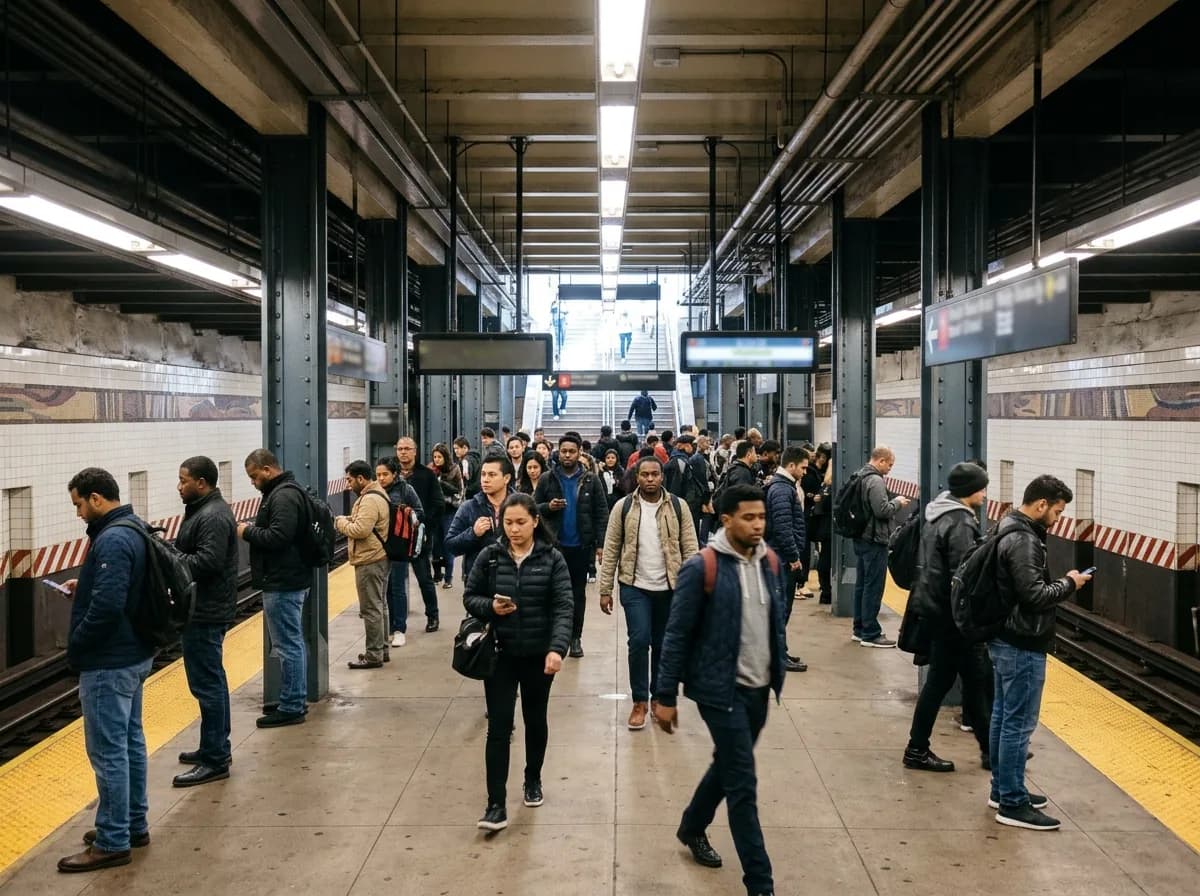
Weekend service changes are common, so check the transit authority's service updates the night before and again that morning. Load your fare card or phone payment ahead of time. Expect crowded platforms and allow extra time. Once you're out of the station, walk to your spot on the sidewalk and never cross the course itself. Use the marked crossing points that volunteers and officers direct you to.
How the Clock Change Affects Your Timing
Daylight saving time ends at 2 a.m. on race morning, so clocks fall back one hour. That means an extra hour of sleep, and also a real chance of confusion.
Your phone will usually update by itself. Microwaves, car dashboards, older watches, and some wall clocks may not. Before you leave the house, confirm the time on a device you trust.
All race start times and wave times are listed in the new standard time. If you made plans earlier in the week, double-check that everyone in your group means the same "9:30." Send a quick message the night before, something like "meet at the corner at 10:15, after the clocks change," so nobody shows up an hour early or late. The extra hour is also a nice chance to pack snacks and layers without rushing.
Predicting When Your Runner Will Pass
To avoid standing for hours, do a little math. Ask your runner for three things: their start wave time, their expected pace per mile, and what they'll be wearing.
Multiply their pace by the mile marker at your spot, then add that to their start time. For example, a runner aiming for ten-minute miles who starts at 10:00 would reach mile 8 around 11:20. Add some buffer, because the start corrals take a while to clear and pace often slows later in the race.
The race organizer usually offers a way to track runners' progress through timing checkpoints. Check the official website ahead of time to see what's available. Phone batteries drain quickly in the cold while tracking, so bring a charged portable battery. Arrive about 20 to 30 minutes before your estimate so you're settled and watching.
Seeing Your Runner More Than Once
Because the course curves through the city, you can often catch someone two or even three times. A common plan is to cheer in Brooklyn, then take the train to First Avenue. Another is to watch on First Avenue, then move west to Fifth Avenue for the late miles, since those two stretches run fairly close together.
To make it work:
- Choose spots on the same side of the course so you don't have to cross it.
- Give yourself more travel time than seems necessary. Trains and sidewalks will be crowded.
- Tell your runner exactly where you'll be, such as "left side, northeast corner, big yellow sign."
Two well-timed sightings beat three rushed ones. If you're running behind, skip a spot and head to the next one.
Comfort, Safety and Meeting Up Afterward
Early November mornings can be chilly, and you'll be standing a lot. Dress in layers, wear comfortable shoes, and bring water, snacks, and hand warmers. Restrooms along the course can be hard to find, so plan around that.
Stay behind barriers and follow directions from volunteers and police. Keep children close and agree on a meeting point in case anyone gets separated. Make your sign big, bright, and easy to read from a distance. Your runner's name in bold letters helps them spot you.
The finish area is restricted and very busy. Pick a reunion spot outside it in advance, ideally a specific street corner a few blocks away. Phone signal can be spotty in heavy crowds, so settle the plan before the race instead of counting on texts.
Frequently asked questions
What time should I get to my spot?
Use your runner's start time and pace to estimate when they'll pass, then arrive about 20 to 30 minutes early. For a front-row spot on busy stretches like First Avenue, come earlier.
Do I need to change my clocks for race day?
Yes. Clocks fall back one hour at 2 a.m. on Sunday, Nov 1, and race times are listed in standard time. Phones usually update automatically, but check any other clocks you rely on.
Can I watch from the bridges?
Bridges on the course are generally closed to spectators. Watch from the streets on either side and follow any directions from volunteers and officers.
Is it okay to bring kids to watch?
Many families enjoy it. Quieter side-street corners, warm layers, snacks, and a clear plan in case you get separated make the day much easier for little ones.
This is general information to help you plan. Something here wrong or out of date? Report a correction.