NYC Radiator Not Heating? Safe Checks Before Calling 311
Advice · Published 21 October 2026
Reviewed and approved by a NearbyWise editor before publishing.
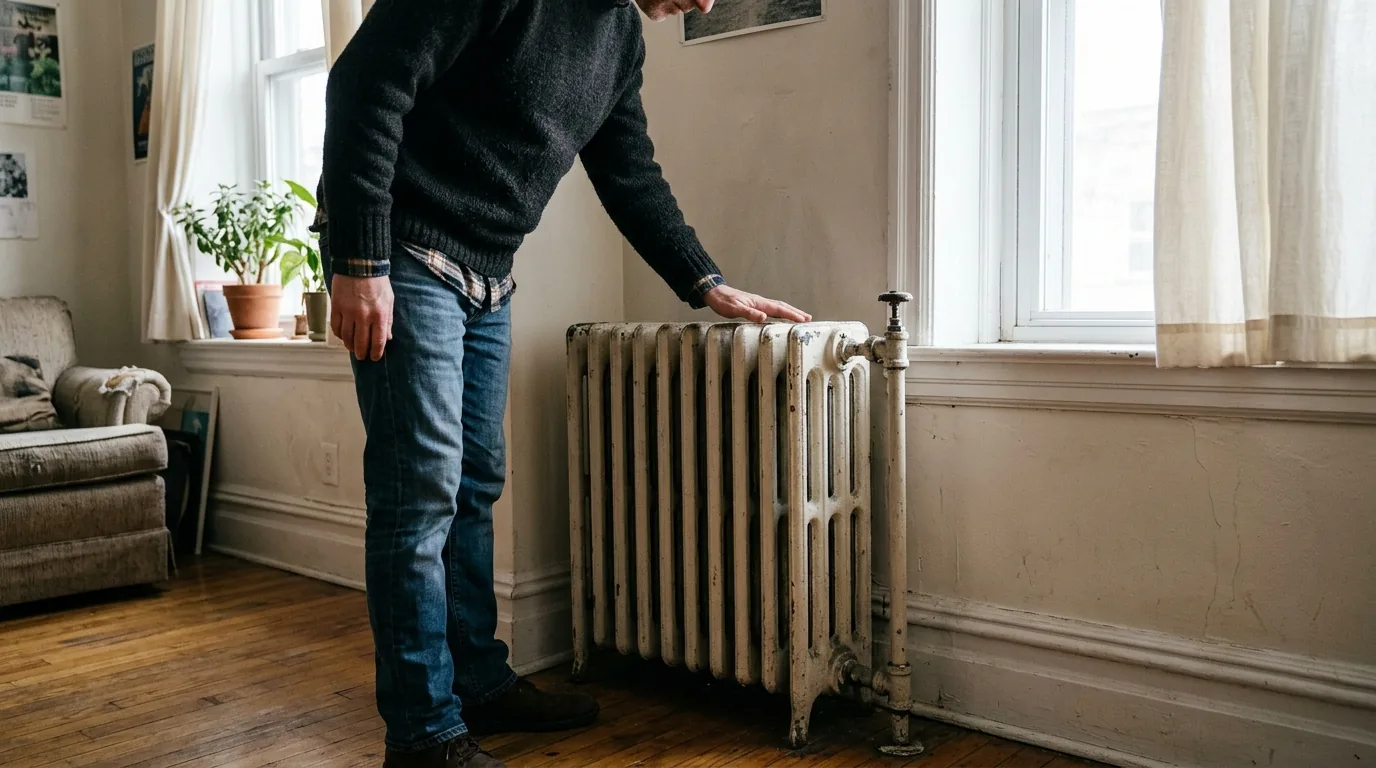
A cold radiator on a winter night in New York can make your whole apartment feel unwelcoming, and it is hard to know whether the problem is your unit, the building or something you can fix in a minute. The good news is that a few quick, safe checks can often tell you what is going on. This guide walks you through what a renter can reasonably look at, what to leave to your building's staff, how to document the problem and how the 311 reporting process generally works if the heat still doesn't come on.
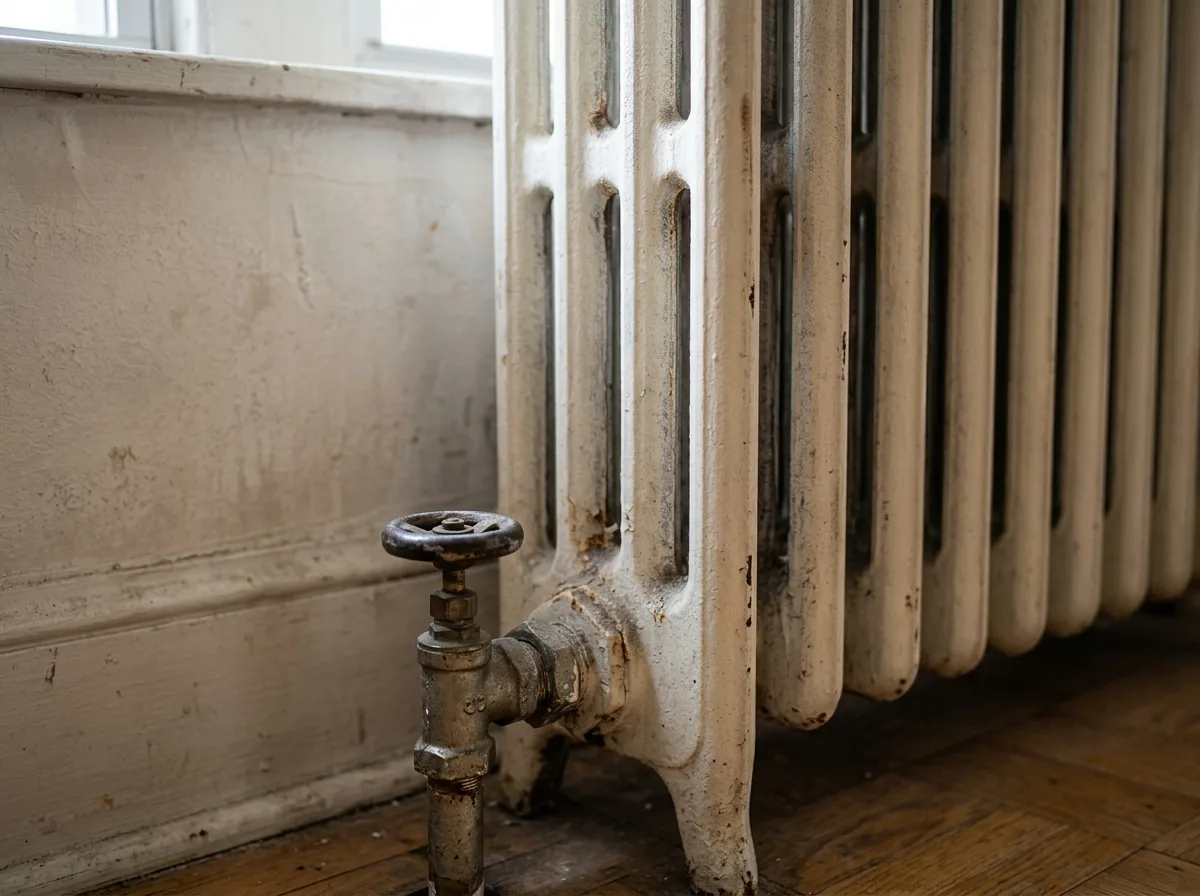
Figure Out What Kind of Radiator You Have
Most NYC apartments have one of two systems, and the checks differ a little.
- Steam radiators are usually cast iron with one pipe at the bottom, a knob-style valve and a small metal air vent on the side, often shaped like a bullet or cylinder. They tend to hiss and clank when heat is coming up.
- Hot water radiators often have two pipes, and sometimes a small square bleed valve near the top. Some newer buildings use slim baseboard units instead.
If you're unsure, take a photo and ask your super or a neighbor. Knowing the type helps you describe the problem clearly later. Whatever you have, remember that radiators and their pipes can get very hot without warning, so touch them carefully, ideally with the back of your hand first, and keep children and pets away while you look.
Start With the Building, Not Just Your Unit
Before you focus on your own radiator, find out whether the issue is bigger than your apartment. A quick check can save you time and point you in the right direction.
- Ask a neighbor or two whether their heat is working. If several units are cold, the problem is likely with the boiler or the building's system, which only the landlord's team can address.
- Listen to the pipes. Clanking, hissing or knocking in the walls usually means heat is moving through the building, even if your radiator is slow.
- Check the timing. Many buildings run heat in cycles, so a radiator may be cool for a while and then warm up.
If the whole building seems affected, skip the troubleshooting and contact your super or management company right away.
Simple Checks You Can Safely Try
These low-risk checks are reasonable for most renters:
- Look at the valve. On a steam radiator, the valve should be fully open; partly open valves can cause noise and poor heating. Turn it counterclockwise gently. If it won't move, don't force it.
- Check for a thermostatic knob. Some radiators have a dial on the valve. Make sure it isn't turned to its lowest setting.
- Clear the space. Furniture, curtains, laundry or a cover pushed tight against the radiator can trap heat and make a room feel colder.
- Notice the air vent. On steam radiators, a vent that never hisses or sits crooked may be stuck. Mention it to your super rather than unscrewing or replacing it yourself.
- Feel along the radiator. Warm at one end and cold at the other can point to trapped air or a vent issue worth reporting.
What to Leave to Your Super or Landlord
Some fixes look easy online but are better handled by the building, both for safety and because it's their equipment to maintain. Avoid these:
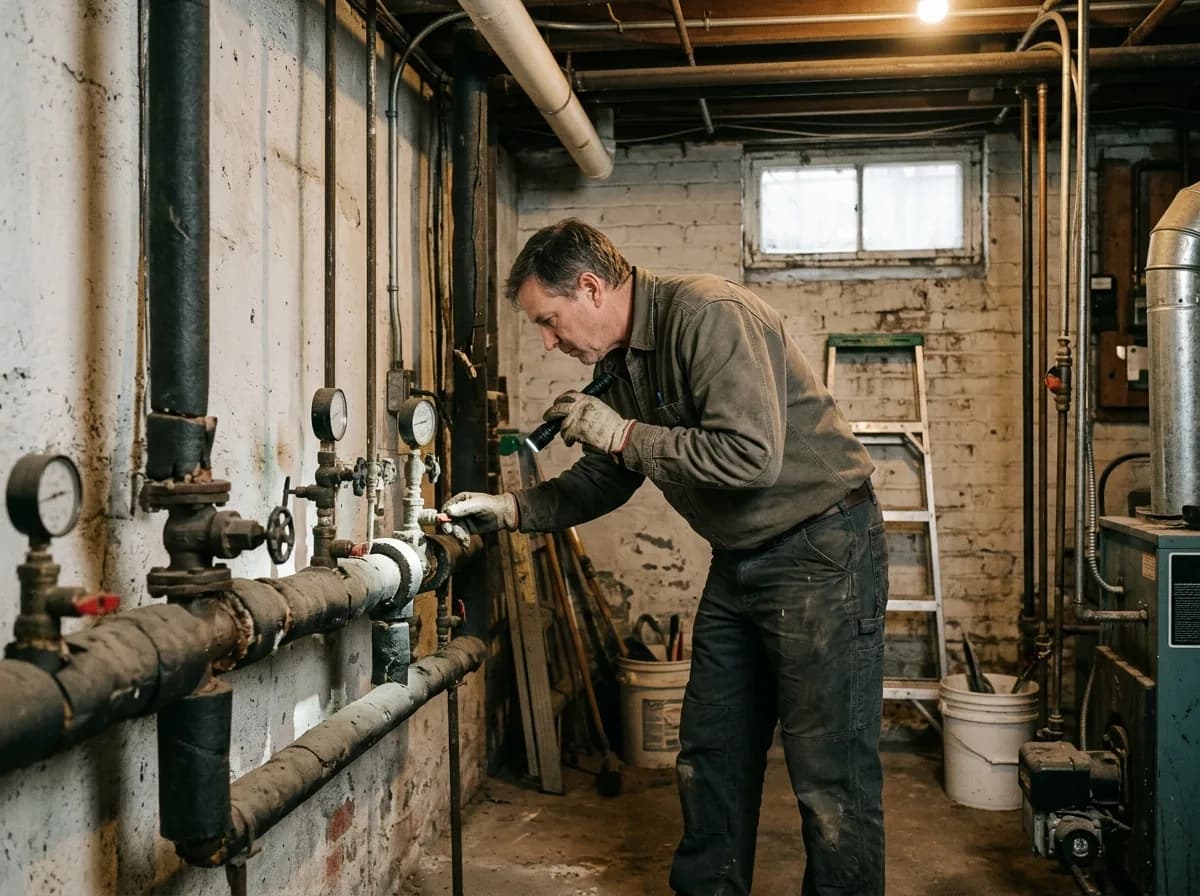
- Anything involving the boiler, gas lines or the basement mechanical room. These are not tenant tasks, and working on them can be dangerous.
- Bleeding a hot water radiator if you've never done it. Water and air can come out hot, so it's reasonable to ask the super to show you or do it.
- Removing, tilting or shimming a radiator. They are extremely heavy and connected to pressurized pipes.
- Using the oven or stove for heat. This is a fire and carbon monoxide risk. If you use a space heater, choose one with safety shutoff, plug it directly into the wall and keep it clear of anything that can burn.
If you ever smell gas, leave the apartment and call 911 from outside.
Contact Your Building and Keep a Record
Before calling 311, it usually helps to tell your super or management company first, because they may be able to fix it quickly. Be specific: which rooms are cold, whether neighbors are affected, what you already checked and when it started.
While you wait, start a simple log. It doesn't need to be formal, just consistent:
- Dates and times the apartment was cold
- Indoor temperature readings from a basic room thermometer, taken in the middle of a room, away from windows
- Who you contacted, how and what they said
- Photos or short videos of the thermometer or the radiator
Text or email is easier to keep track of than phone calls. A calm, factual record helps the building understand the problem and gives you clear information if you need to report it.
How the 311 Reporting Process Generally Works
If the heat stays off after you've contacted your building, you can report the problem to NYC 311 by phone or through the city's online channels. The city sets heat requirements for rental buildings during the colder months; check the official city information for the current rules rather than relying on secondhand details.
When you file, you'll typically be asked for:
- Your address and apartment number
- Whether the problem is heat, hot water or both
- Whether it affects your unit or the whole building
You'll usually get a service request number. Save it, because it lets you check the status later. The city may contact the landlord, and an inspector may visit, so it helps to be reachable and to share access details. If problems keep coming back, report each occurrence. For questions about your rights, a local tenant organization or legal aid service can help.
Frequently asked questions
Why is my radiator hot at night but cold in the morning?
Many buildings run heat in cycles or adjust it by time of day, so temperatures can vary. If your apartment is regularly uncomfortable at certain times, note the times and temperatures and share them with your building.
Is it okay to bleed my own radiator?
Bleeding a hot water radiator is a common task, but water can come out hot and your lease or building may prefer staff handle it. If you're unsure, ask your super to do it or show you how.
Should I contact my landlord before calling 311?
It's usually a good first step, since the building may be able to fix it quickly. If the heat isn't restored after you've reached out, or you can't get a response, you can report it to 311.
What if my landlord doesn't fix the heat after a 311 report?
Keep reporting each time the heat is out and keep your log up to date. For guidance on your options, contact a local tenant organization or a legal aid service rather than taking action on your own.
This is general information to help you plan. Something here wrong or out of date? Report a correction.