Daylight Saving Ends Nov 1: Reset Your Sleep in Los Angeles
Advice · Published 21 October 2026
Reviewed and approved by a NearbyWise editor before publishing.
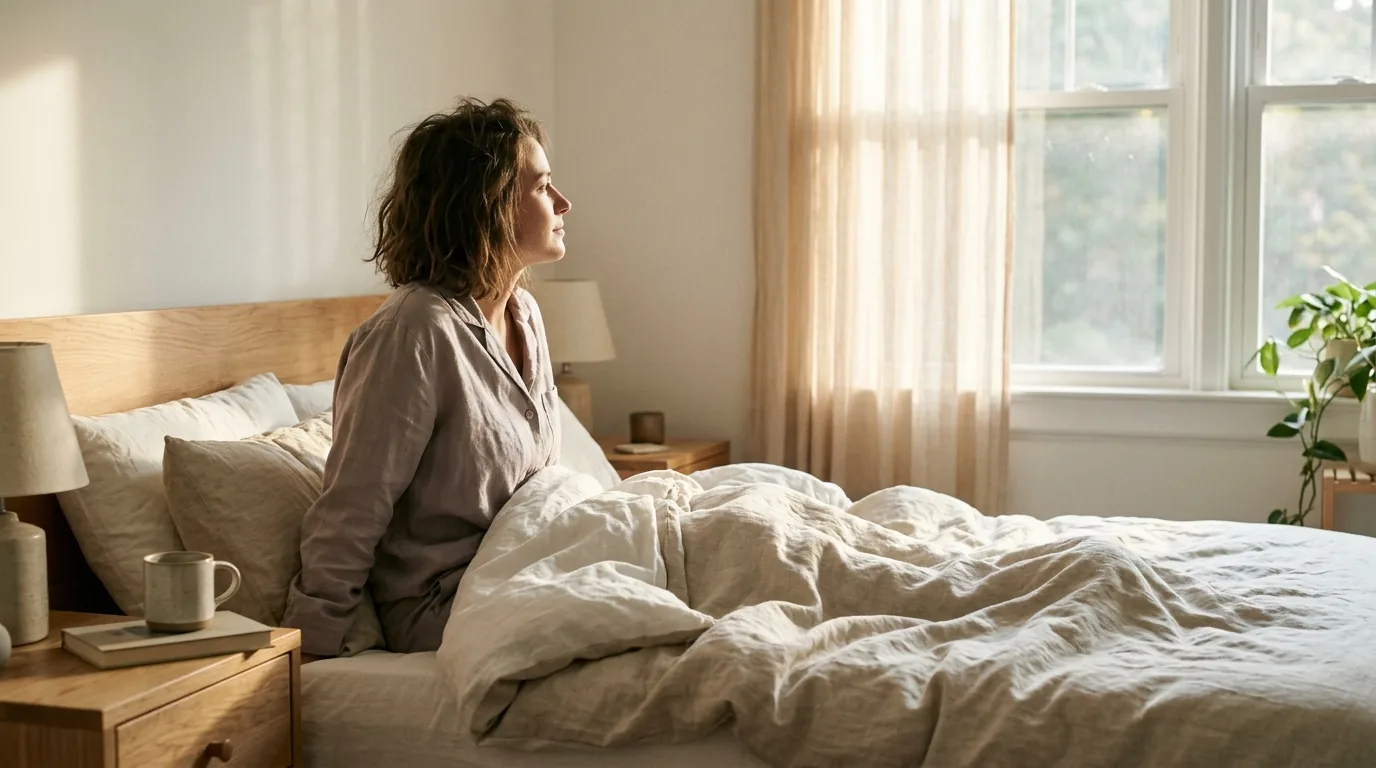
On Sunday, November 1, clocks in Los Angeles fall back one hour at 2 a.m. You gain an extra hour that night, but the shift can still nudge your body out of rhythm. You may wake earlier than you'd like, feel drowsy before dinner, and suddenly find your after-work run happening in the dark. The good news is that a few small, steady adjustments can make the change feel almost seamless. Here's how to shift your bedtime gradually, make the most of bright Southern California mornings, and keep evening workouts enjoyable and safe as the days get shorter.
Shift Gradually Before the Weekend
When the clocks fall back, your body will feel like it's an hour later than the clock says. You'll likely get sleepy earlier and wake up before your alarm. You can soften that by easing your schedule later in the days leading up to November 1.
- Start three or four nights ahead. Push your bedtime back by about 15 minutes each night.
- Move your wake-up time too. Shift it in the same small steps so your total sleep stays steady.
- Nudge meals along with it. Eating dinner a little later each evening helps signal the new rhythm to your body.
If your work or family schedule makes this tricky, even shifting a night or two ahead helps. Small, consistent changes are easier on your body than one sudden jump.
Make Smart Use of the Extra Hour
That bonus hour on Saturday night is tempting to spend staying up late, but how you use it shapes the week ahead. Try to go to bed close to your usual time, measured on the new clock if you've already been shifting. Then get up at a normal hour on Sunday morning rather than sleeping in for a long stretch.
A few tips for Sunday:
- Keep your wake-up time steady. This is one of the strongest cues for resetting your internal clock.
- Go easy on naps. If you're tired, a short rest early in the afternoon is gentler than a long nap near evening.
- Plan a calm day. Light errands, a walk or meal prep can keep you active without wearing you out.
By Monday, you'll be closer to settled instead of starting the workweek out of sync.
Let Morning Light Anchor Your Day
One upside of falling back is that mornings get brighter again for a while, and Los Angeles mornings are often clear and sunny. Natural light early in the day is a helpful signal that tells your body it's time to be awake and alert.
Try to get outside within the first hour or so after waking:
- Take a short walk around your block or through a neighborhood park.
- Drink your coffee or tea outdoors on a patio, balcony or front step.
- Open the blinds right away if you can't get outside, and sit near a window while you eat breakfast.
- Walk or bike part of your commute if your route allows it.
Even ten or fifteen minutes can make a difference. On marine-layer mornings when it's gray, outdoor light is still brighter than most indoor lighting, so it's worth stepping out anyway.
Rethink Your Evening Workouts
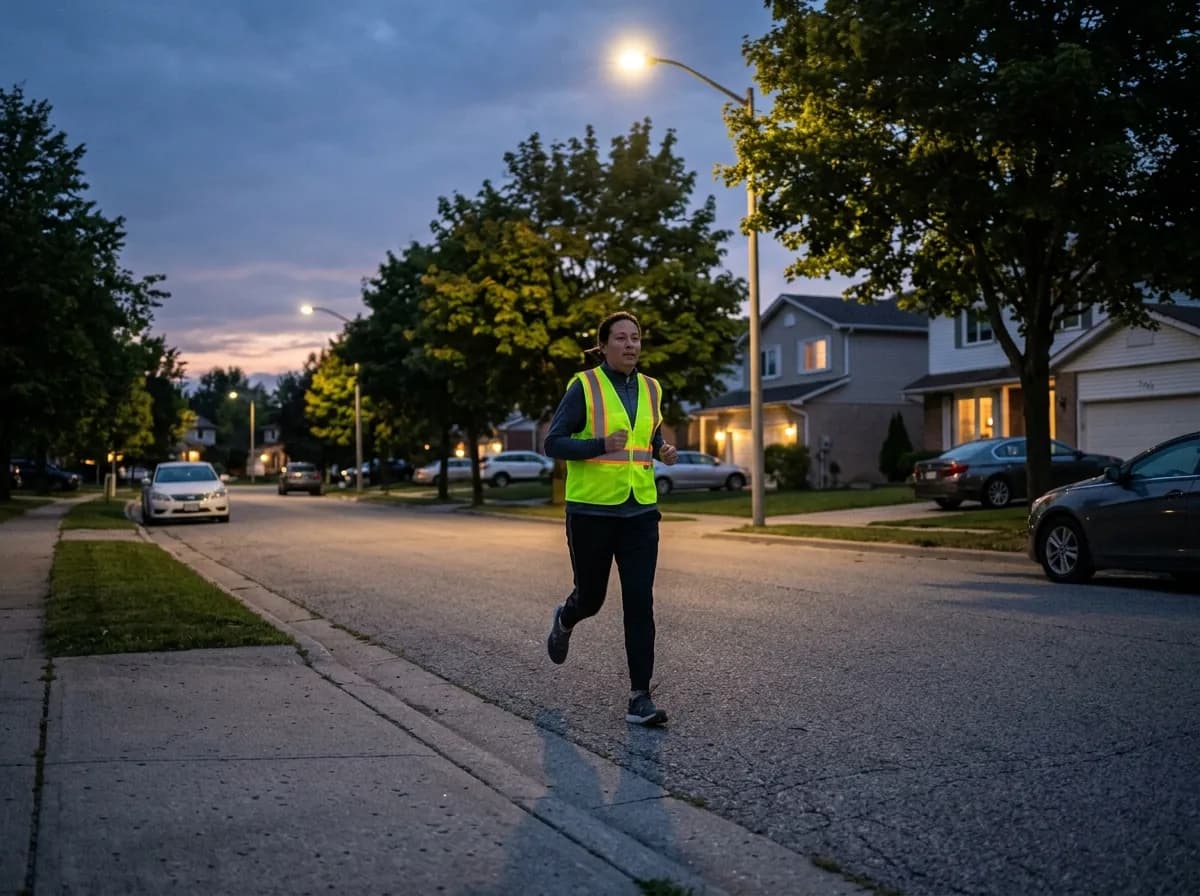
After the change, the sun sets around 5 p.m. in Los Angeles, which means a post-work jog, bike ride or beach session may suddenly happen in darkness. You have a few good options, and you can mix them through the week.
- Move some workouts earlier. A lunchtime walk or a morning session lets you exercise in daylight and pairs nicely with your morning light routine.
- Take it indoors. Home workouts, a gym or community fitness classes can keep your routine going on darker evenings.
- Keep outdoor evenings, with a plan. If you love exercising after work, choose well-lit routes and adjust your gear.
Pay attention to how evening exercise affects your sleep. If a hard session close to bedtime leaves you feeling wired, try finishing intense workouts a few hours before bed and saving gentle stretching for later in the evening.
Stay Safe Exercising After Dark
Running, walking or cycling after sunset can be peaceful, but visibility and awareness matter more once it's dark. A little preparation goes a long way.
- Be seen. Wear bright or reflective clothing, and use a headlamp, clip-on light or bike lights front and back.
- Choose familiar, well-lit routes. Busy streets with sidewalks or lit paths are generally safer than quiet, unlit areas.
- Check trail hours. Many parks and hiking trails close at sunset, so plan hikes for daylight.
- Share your plans. Let someone know your route and when you expect to be back.
- Keep your ears open. Use one earbud or keep volume low so you can hear traffic and people around you.
- Watch for wildlife. Coyotes and other animals can be more active at dusk in some neighborhoods, so keep pets close.
Trust your instincts. If a route feels uncomfortable, switch to a different one.
Build a Wind-Down Routine for Longer Evenings
With darkness arriving earlier, evenings can feel long, and it's easy to fall asleep on the couch at 8 p.m. or, the opposite, scroll late into the night. A steady wind-down routine helps you land at your intended bedtime.
- Dim the lights an hour or so before bed to signal the day is ending.
- Set a screen cutoff that feels realistic, and swap in reading, music or light stretching.
- Keep your bedroom comfortable. Fall in Los Angeles can bring warm, dry nights, so a fan or open window may help you stay cool.
- Stay consistent. Aim for similar bed and wake times every day, including weekends.
Most people adjust within a week or so. If you're still struggling with sleep after a couple of weeks, or tiredness is affecting your daily life, it's a good idea to talk with a doctor.
Help the Whole Household Adjust
Kids and pets don't read clocks, so the change can catch them off guard too. Children may wake at dawn ready to play, and your dog may expect breakfast an hour early.
- Shift kids' bedtimes gradually in the days before, using the same small steps you use for yourself.
- Keep routines familiar. Bath, story time and lights-out in the usual order help children settle even when the clock looks different.
- Adjust pet feeding and walk times slowly, moving them by small increments over several days.
- Plan family time outside in daylight, such as a weekend morning at a park or beach, to help everyone soak up natural light.
Patience helps here. A few grumpy mornings are normal, and most households find their rhythm again within a week or two.
Frequently asked questions
What time do clocks change when daylight saving ends in Los Angeles?
Clocks fall back one hour at 2 a.m. on Sunday, November 1, so 2 a.m. becomes 1 a.m. Most phones and computers update automatically, but you may need to reset car, microwave and wall clocks yourself.
How long does it take to adjust to falling back?
Many people feel back to normal within several days to a week, especially if they keep a steady wake-up time and get morning light. If sleep problems last longer or affect your daily life, check in with a doctor.
Is it better to work out in the morning or evening after the time change?
Either can work, so choose what fits your schedule and how you sleep. Morning workouts add daylight exposure, while evening sessions are fine if you plan for darkness and notice they don't keep you up at night.
Should I sleep in on the Sunday the clocks change?
It's usually best to wake up close to your normal time on the new clock. Sleeping in for a long stretch can make it harder to fall asleep that night and start the week on schedule.
This is general information, not medical advice. Speak to a doctor before starting something new if you have a health condition. Something here wrong or out of date? Report a correction.