Sharjah Safari Tickets and Tours: How to Plan Your Day
Advice · Published 22 October 2026
Reviewed and approved by a NearbyWise editor before publishing.
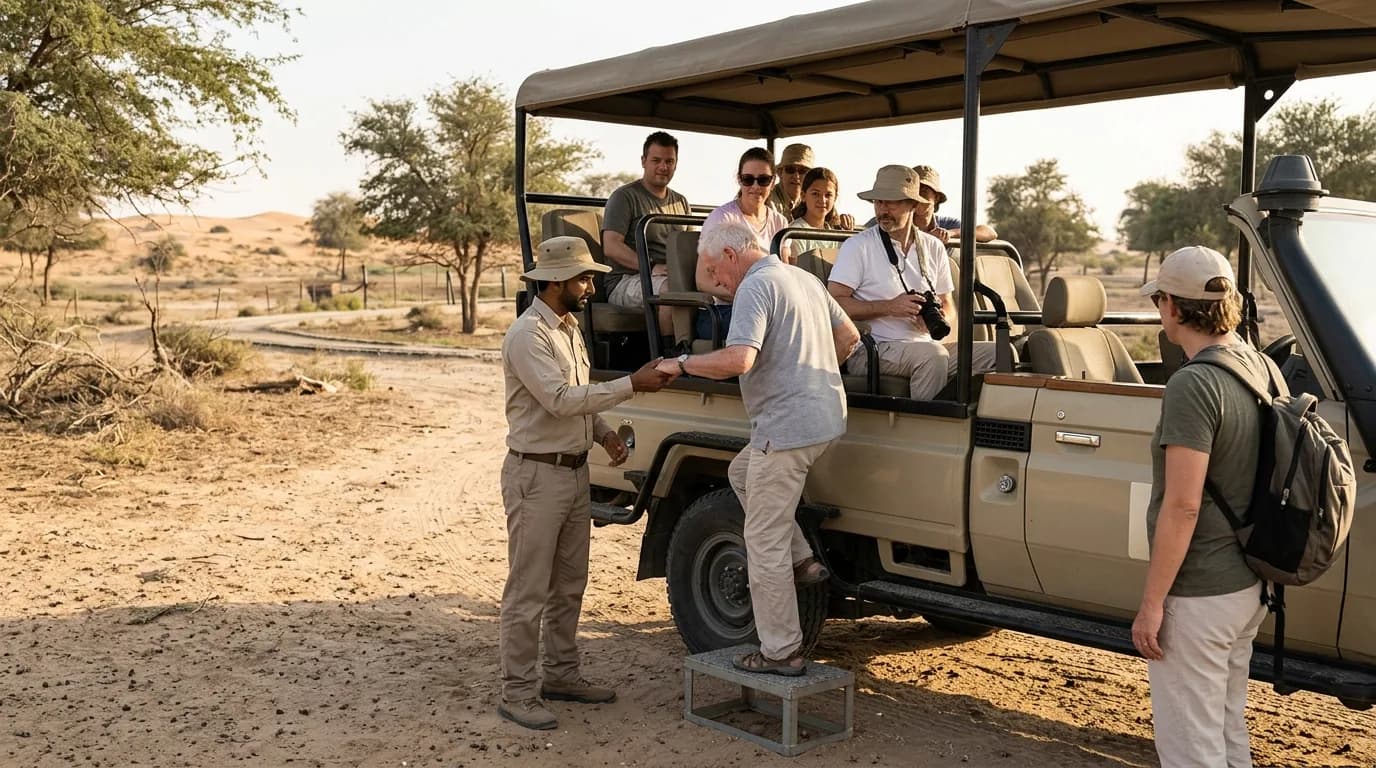
A day at Sharjah Safari can be a highlight of the cooler months, but it pays to plan before you set off. Ticket types, tour options and opening arrangements can change from season to season, so the details you saw last year, or in a friend's photos, may not apply now. This guide explains how to find out exactly what is on offer this season, how to choose an option that suits your group, and how to shape the day so everyone stays comfortable, safe and interested from arrival to the drive home.
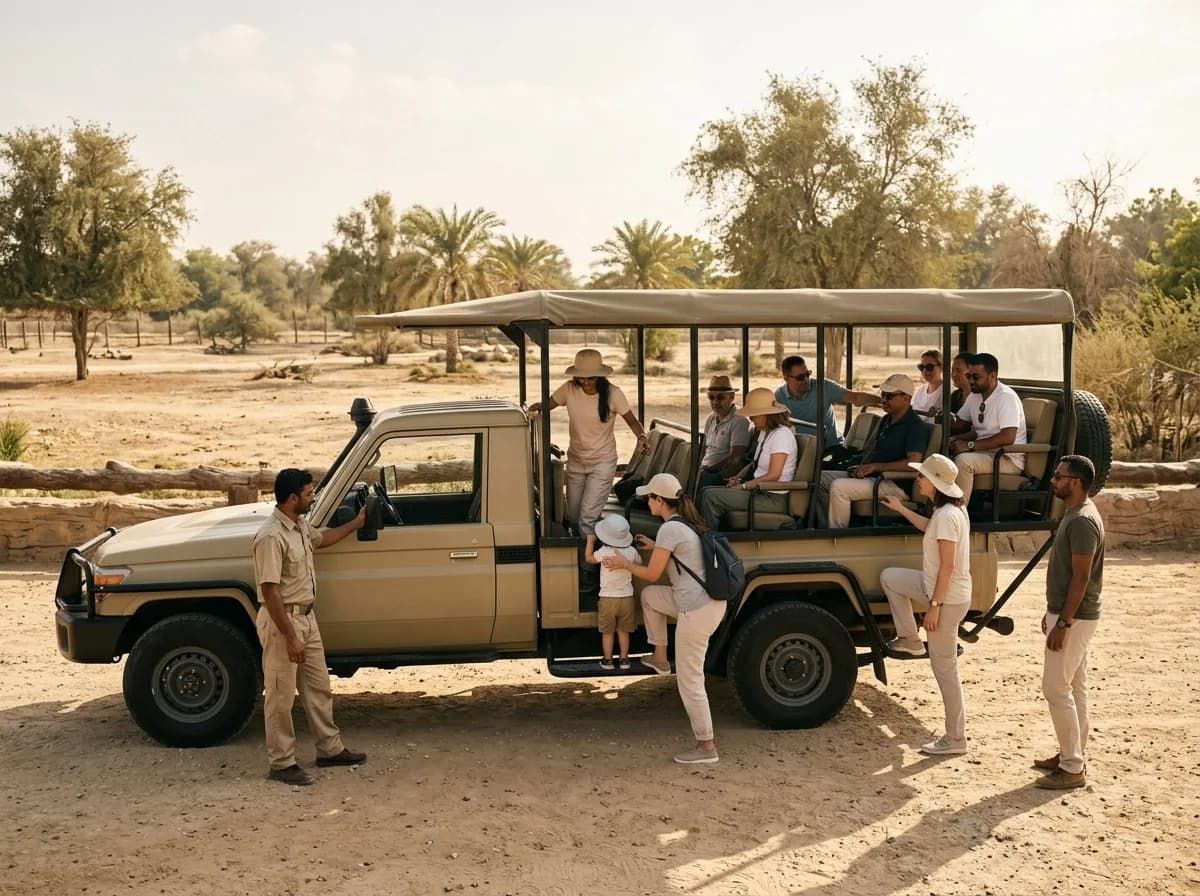
Find out what is on offer this season
Because ticket options and tours can be updated at any time, your most reliable source is the park's official website or official social media channels, or the authority that runs it. Avoid relying on old blog posts, screenshots or reseller listings, which may show options that no longer exist.
When you look, note down:
- Which ticket or tour types are listed and what each one includes
- Opening days and hours, including any seasonal closure
- Whether booking ahead is required or tickets can be bought on arrival
- Age categories and any concessions, such as for children, seniors or People of Determination
If anything is unclear, contact the park directly before you book. A quick message or call can save you a long drive for the wrong ticket.
Choosing the right ticket or tour
Once you know what is available, think about your group rather than simply picking the fullest option. Ask yourself a few honest questions:
- How long can everyone comfortably stay out? Young children and older relatives may tire sooner than you expect.
- Do you prefer to explore at your own pace or have a guide explain what you are seeing?
- Is a smaller, quieter experience important, perhaps for someone who finds crowds overwhelming?
- What does each option actually include? Check whether transport around the park, guided commentary or particular areas are covered.
Read the terms carefully too, especially around cancellations, rescheduling and what happens if the weather turns. Choosing the option that matches your group's energy usually makes for a happier day than squeezing in everything.
Timing your visit well
The UAE's climate shapes almost every outdoor plan, and a safari park is no exception. The cooler months are generally the most comfortable time to visit, and even then, the middle of the day can feel hot in open areas.
A few timing tips:
- Arrive close to opening time if you can. Mornings tend to be cooler, and many animals are more active before the heat builds.
- Avoid public holidays and long weekends if you prefer fewer people, or book well ahead if those are your only free days.
- Allow for the drive. The park is out of the city, so factor in travel time each way, plus a buffer for traffic.
Plan to spend several hours there rather than squeezing it into a spare afternoon. Rushing tends to mean missing things and returning home tired and frustrated.
Getting there and arriving smoothly
Most visitors travel by car, as the park sits a fair distance from central Sharjah. Check the official location pin before you leave and confirm parking arrangements, as these can vary on busy days.
If you do not drive, you could:
- Arrange a taxi or ride-hailing trip, remembering to plan your return journey, as cars may be harder to find from outside the city
- Share a ride with friends or family to split the driving
- Look into organised group trips from your emirate, checking carefully who runs them and what is included
On arrival, keep your booking confirmation and any ID ready on your phone and in a backup form, such as a screenshot. Give yourself time to visit the toilets, top up water and read any safety briefing before your tour or self-guided visit begins.
What to bring for a comfortable day
A little preparation makes a big difference to how much you enjoy the day. Pack light but thoughtfully:
- Plenty of water for everyone, even if refreshments are available on site
- Sun protection: hats, sunglasses and sunscreen, even in winter
- Comfortable, closed shoes for walking on paths and uneven ground
- A light layer for air-conditioned vehicles or a cooler early morning
- Snacks for children, if permitted, and a small bag for rubbish
- A charged phone and perhaps a power bank for photos and tickets
- Binoculars, if you have them, for spotting animals at a distance
Check the park's rules on outside food, drones and large bags before you go. Dress modestly and comfortably, in keeping with local customs for public places.
Visiting with children, older relatives or access needs
A safari day can suit almost anyone with a bit of forward thinking. For children, talk beforehand about the animals they might see and the rules they need to follow, such as staying close and keeping voices calm. Build in breaks for food, shade and rest.
For older relatives or anyone with limited mobility, ask the park in advance about walking distances, seating, accessible toilets and whether vehicles are easy to board. If you are bringing a pushchair or wheelchair, check which areas are suitable.
If someone in your group has a health condition that heat or long days might affect, it is sensible to speak to their doctor beforehand about precautions. Plan an easy exit, too: knowing you can leave early takes the pressure off everyone.
Respecting the animals and staying safe
A safari park is home to wild animals, and the rules exist to protect them as well as you. Always follow staff instructions and any guidance given during your tour.
Keep these basics in mind:
- Stay within marked areas and inside vehicles wherever you are asked to
- Never feed animals or throw anything towards them
- Keep noise down and avoid tapping on glass or barriers
- Supervise children closely at all times
- Turn off camera flash if staff request it
If you feel unwell, see an animal in distress or notice something that worries you, tell a member of staff straight away rather than handling it yourself. Respectful, patient visitors often enjoy calmer, more rewarding sightings, so it is worth taking your time.
Making a full day of it
Since the park is a drive from the city, you may like to combine your visit with a relaxed stop on the way home, such as a meal or a short walk somewhere shaded. Keep plans flexible, though, as people may be more tired than expected.
Afterwards, a few small touches can help the day linger:
- Ask children to draw or list their favourite animals
- Sort your photos together and share them with family
- Note what worked, such as timing or ticket choice, for your next visit
If you are hosting visitors from abroad, a safari trip can be a lovely way to show a different side of the UAE beyond the beaches and malls. Just make sure they know what to expect, from the heat to the distances, so the day feels like a treat rather than a marathon.
Frequently asked questions
Do I need to book Sharjah Safari tickets in advance?
Booking requirements can change by season, so check the park's official website or channels before you travel. Booking ahead is usually wise for weekends and public holidays.
How long should I plan to spend at Sharjah Safari?
Allow several hours for the visit itself, plus travel time each way, as the park is outside the city. Your chosen ticket or tour and your group's energy levels will shape the exact length.
When is the best time of year to visit?
The cooler months are generally the most comfortable for an outdoor day in the UAE. Arriving early in the day also helps you avoid the strongest heat.
Is Sharjah Safari suitable for young children?
Many families visit with children, but it helps to choose a shorter or more relaxed option and plan plenty of breaks. Check the official guidance on age categories and pushchair access before you go.
This is general information to help you plan. Something here wrong or out of date? Report a correction.