Dubai Design Week 2026: How to Plan Your Day at d3
Advice · Published 30 October 2026
Reviewed and approved by a NearbyWise editor before publishing.
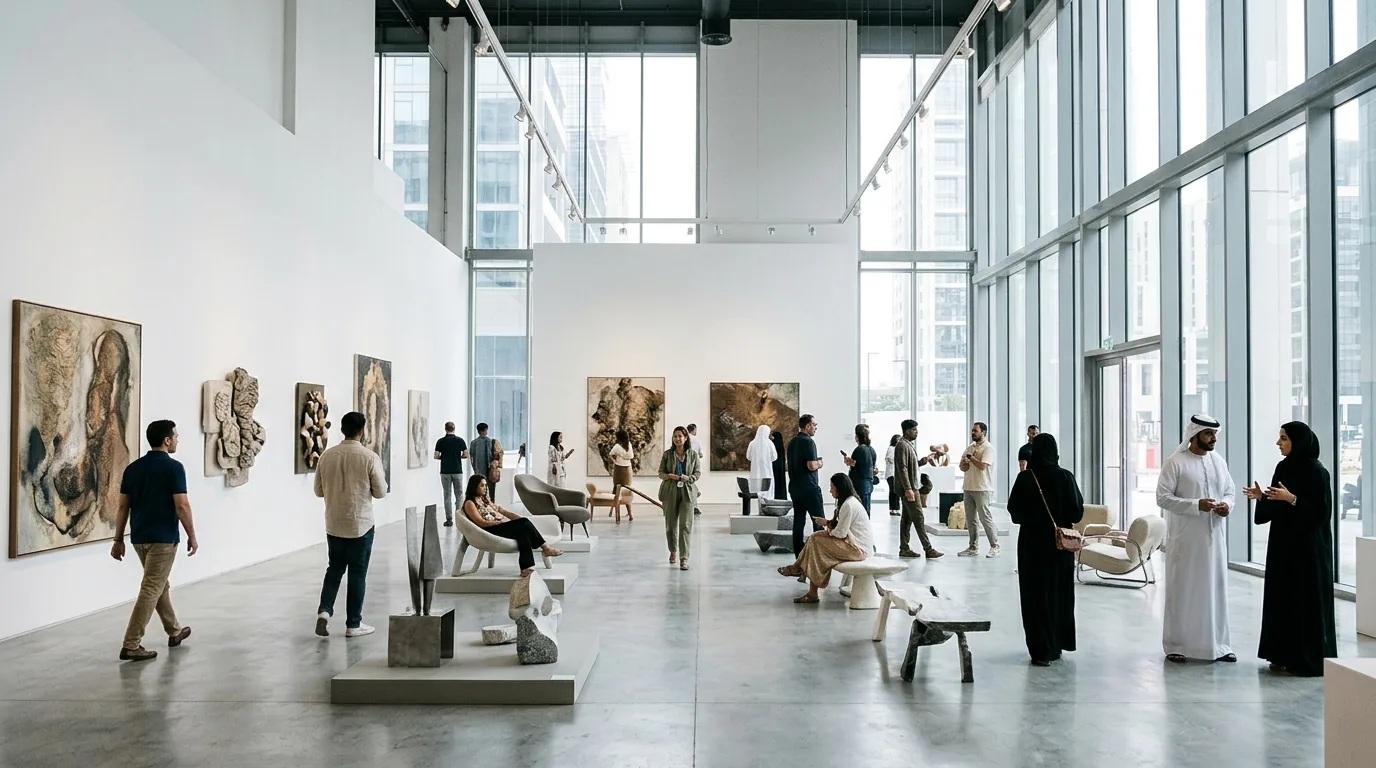
Dubai Design Week is one of the highlights of the creative calendar in the UAE. For a few days, Dubai Design District, known to most people as d3, fills with exhibitions, installations, talks and stalls from designers across the region and beyond. Whether you work in interiors, architecture or product design, or you simply enjoy beautiful objects and a lively atmosphere, a little planning goes a long way. This guide walks you through confirming the 2026 dates, understanding what Downtown Design and the Marketplace offer, and shaping a day at d3 that feels inspiring rather than exhausting.
Confirming the 2026 dates
Dubai Design Week has traditionally taken place in the cooler months, often around November, but always check the official Dubai Design Week website and social media channels for confirmed 2026 dates before you book anything. Programmes are usually announced in stages, so the headline dates may appear well before the full schedule of talks and workshops.
Once the dates are out, it helps to:
- Note which days suit you, as weekdays may feel calmer and weekends livelier
- Sign up for the official newsletter so programme updates reach you directly
- Check whether any events need advance registration
- Block out time in your diary early if you are travelling from another emirate
If you are visiting from abroad, confirm the dates before arranging flights or accommodation, and keep some flexibility in case individual events shift slightly once the final programme is released.
What to expect at Downtown Design
Downtown Design is the fair element of the week, focused on contemporary, high-quality design. You can expect to see furniture, lighting, surfaces, materials and homeware from established brands and newer studios, often with a strong regional presence alongside international names.
It has historically had a professional, trade-friendly feel, so architects, interior designers and buyers often use it to discover new suppliers and make connections. That said, curious visitors are generally welcome too. Check the official information for 2026 to see whether any days or sessions are reserved for trade visitors and whether you need to register online beforehand.
To get the most from it, bring a phone or notebook to record names of pieces and studios you like, and take business cards if you are there for work. Ask exhibitors questions politely; most are happy to talk about materials and process when they are not mid-meeting.
Browsing the Marketplace
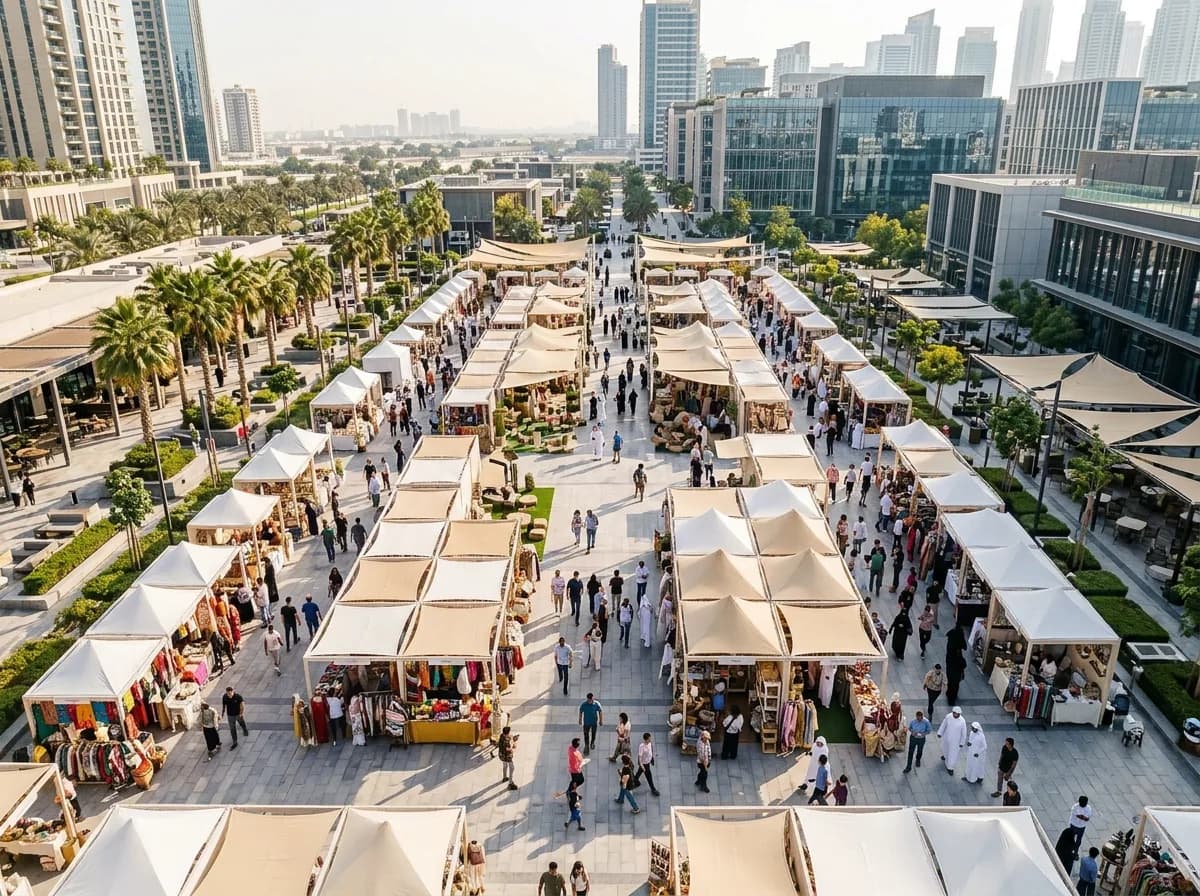
The Marketplace tends to be the most relaxed and social part of the week. It usually brings together independent makers, small creative brands and pop-up stalls, which makes it a lovely place to find something original for your home or a thoughtful gift.
A few practical pointers:
- Carry a card and a small amount of cash, as payment options can vary from stall to stall
- Bring a tote bag for small purchases
- Ask whether larger items can be delivered rather than carried around all day
- Take your time, because stalls are often run by the makers themselves, who enjoy sharing the story behind their work
If you see something you love, it is worth asking for a card or social media handle even if you are not ready to buy. Many independent designers sell year-round, so you can follow up later without feeling rushed into a decision on the day.
Talks, installations and exhibitions
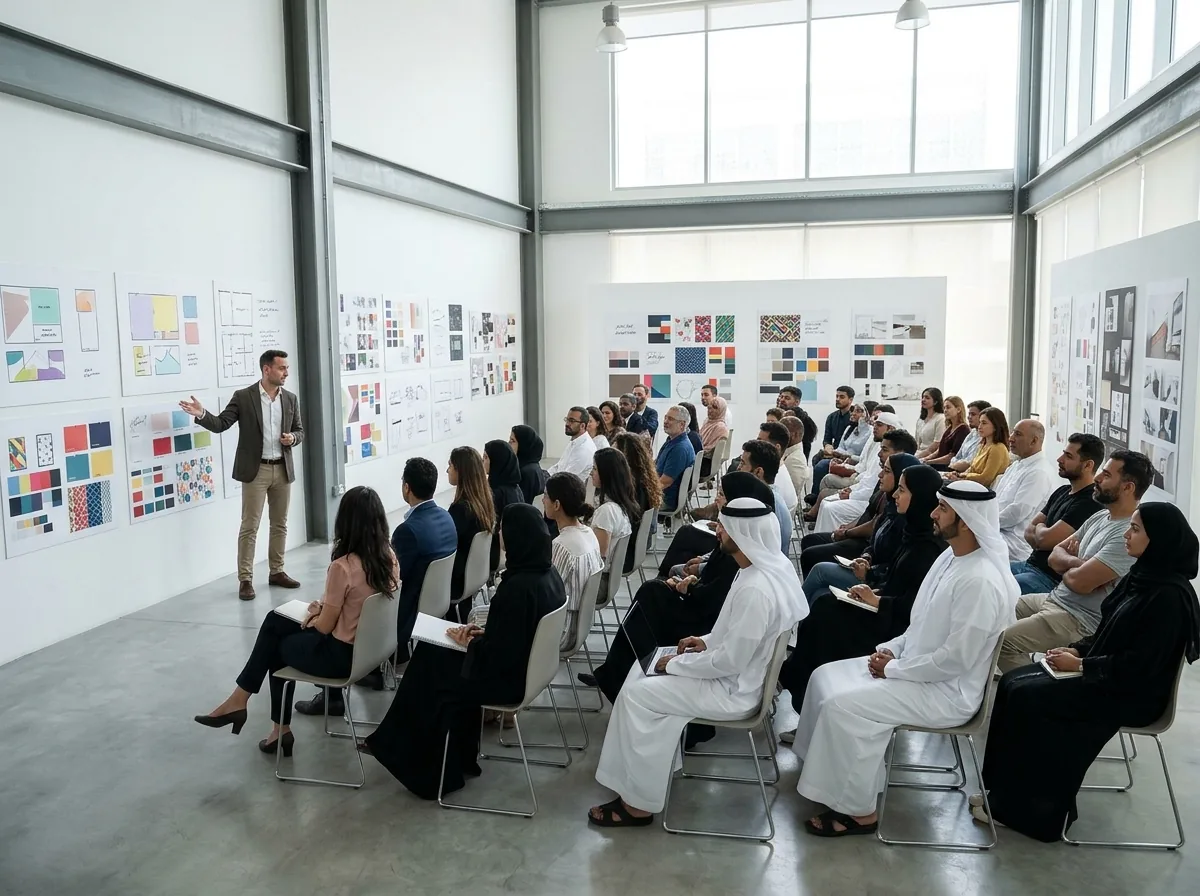
Beyond the fair and the Marketplace, Dubai Design Week typically spreads across d3 with outdoor installations, exhibitions, panel discussions and hands-on workshops. Past editions have featured showcases of student and graduate work, which can be a refreshing look at emerging talent.
Because the programme can be large, pick two or three must-see items and treat everything else as a bonus. Workshops and popular talks may have limited places, so register early if booking is required.
Installations are often at their best at different times of day. Some are striking in daylight, while others are designed with lighting that comes alive after sunset. If you can, plan to stay into the early evening so you see the district in both lights. Always follow signage and steward instructions around installations, and keep to marked public areas.
Planning your day at d3
A gentle structure helps you see plenty without wearing yourself out. A simple plan might look like this:
- Late morning: arrive, collect any passes and start with Downtown Design while you are fresh
- Lunch: take a proper break at one of the food options around d3 and review your list
- Afternoon: attend a talk or workshop you have booked, then wander the Marketplace
- Early evening: walk the outdoor installations as the light changes
Wear comfortable shoes, as you will cover a fair distance on foot. Bring a refillable water bottle, sunglasses and a light layer for air-conditioned halls. Charge your phone fully, or carry a power bank, since you will likely use it for maps, photos and notes. Most importantly, leave space for unplanned discoveries; some of the best moments happen when you follow your curiosity.
Getting there and getting around
d3 sits close to Business Bay and the Dubai Creek area, and there are several ways to reach it. Taxis and ride-hailing apps are often the simplest choice, especially if you plan to stay into the evening. If you prefer public transport, you can take the Dubai Metro to a nearby station and finish the journey by taxi; check a journey planner on the day for the most convenient route.
If you drive, expect parking to be busier than usual during the week, so allow extra time and look out for official guidance on parking and drop-off points. Arriving earlier in the day usually makes things easier.
Once you are there, the district is walkable, though distances add up. Keep an eye on the official map, note where rest areas and toilets are, and agree a meeting point with friends in case you split up.
Visiting with children or accessibility needs
Dubai Design Week can be a wonderful outing for families, as colourful installations and hands-on activities often appeal to younger visitors. Check the programme for any family-friendly workshops, and consider visiting earlier in the day when it may be quieter.
If you are bringing a pushchair, plan for some crowded indoor spaces and take breaks outdoors. Pack snacks, water and sun protection, and talk with children beforehand about not touching displays unless invited to.
If you or someone in your group has accessibility needs, contact the organisers in advance to ask about step-free routes, seating, quiet spaces or other support. Giving them notice makes it easier to plan a comfortable visit. Pace yourself, take rests whenever you need them, and remember that seeing a few things properly is often more rewarding than trying to cover everything.
Frequently asked questions
When is Dubai Design Week 2026?
The event has traditionally been held in the autumn, often around November. Check the official Dubai Design Week website and social channels for confirmed 2026 dates before making plans.
Do I need a ticket or registration to visit?
Requirements can differ between parts of the programme, and some events or trade sessions may need advance registration. Review the official 2026 information and register early for anything that requires it.
Is Downtown Design only for industry professionals?
It has a strong trade focus, but curious members of the public have generally been welcome. Check the 2026 details in case certain days or sessions are reserved for trade visitors.
How long should I spend at d3 during Design Week?
Most people find that half a day to a full day lets them see the main highlights comfortably. If you want to attend several talks or workshops, consider spreading your visit over two days.
This is general information to help you plan. Something here wrong or out of date? Report a correction.