Hiring a Home Tutor in Abu Dhabi: Check the Permit First
Advice · Published 24 October 2026
Reviewed and approved by a NearbyWise editor before publishing.
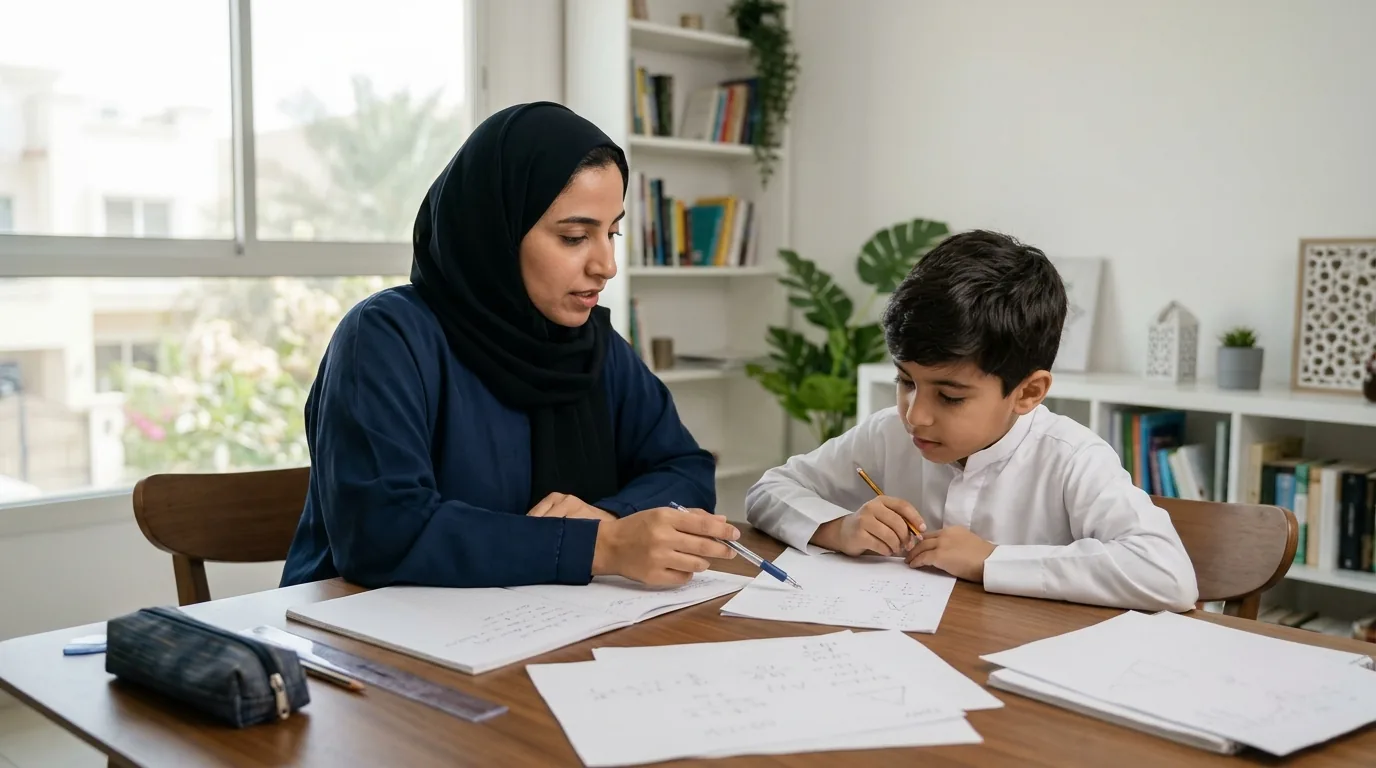
Finding the right home tutor can make a real difference to your child's confidence, whether they need help with maths, a language or exam preparation. In the UAE, private tutoring for payment is regulated, and tutors are expected to hold a valid permit. Checking this before anyone sets foot in your home protects your child and keeps you on the right side of the rules. It also tells you a lot about how seriously the tutor takes the role. This guide covers how to confirm a permit, what to ask in the first conversation and how to set up sessions so everyone feels safe and comfortable.

Why the permit matters
A tutoring permit is more than paperwork. It shows that the person has gone through an official process, which typically involves checks on identity, background and suitability to work with students. Without one, you have far less assurance about who is spending time with your child, and the arrangement may not comply with UAE rules on private tutoring.
It is also a useful early filter. A tutor who has a permit and is happy to show it is usually organised, transparent and comfortable with you asking questions. Someone who becomes vague, defensive or tells you it is "not really needed" is giving you important information. Because regulations can change, check the latest requirements on official UAE government channels rather than relying on what friends or social media groups say.
What to ask to see
Before agreeing to anything, ask the tutor to share their permit details. A reasonable tutor will expect this request and will not take offence. Politely ask for:
- The permit itself, either a digital copy or the document, showing their name and a permit or reference number
- The expiry date, so you know it is currently valid and will cover the period you plan to book
- Photo identification, such as an Emirates ID, so you can confirm the permit belongs to the person in front of you
- Relevant qualifications or teaching experience for the subject and level your child needs
Make sure the name on every document matches. If anything looks altered, blurry or inconsistent, ask for a clearer copy before going further.
Verifying it yourself
Seeing a document is a good start, but confirming it independently is better. Private tutoring permits in the UAE are issued through official government channels, and the relevant ministry websites and apps are the right place to start if you want to check a permit's status or learn how verification works. Look for the official service pages rather than third-party sites.
If you cannot find a way to check online, contact the issuing authority through its official customer service channels and ask how parents can confirm a tutor's permit. Keep a note of the permit number, the tutor's full name and the date you checked. If the tutor comes through a tutoring centre or agency, you can also ask the centre to confirm the tutor is properly licensed, but it is still sensible to see the individual's details yourself.
Questions to ask before you hire
Once the permit is confirmed, a relaxed conversation helps you judge fit. Try asking:
- How do you assess where my child is starting from? Look for a clear plan rather than a one-size approach.
- Which curriculum are you familiar with? Schools in Abu Dhabi follow different systems, so experience with your child's curriculum matters.
- How will you update me on progress? Regular, short feedback is a good sign.
- What is your cancellation and rescheduling policy?
- Can you share references from other families? Ask permission before contacting them.
It is also worth arranging a trial session with you nearby. Watch how the tutor explains things, whether they are patient and how your child responds afterwards. Your child's comfort is as important as any qualification.
Keeping home sessions safe
Clear boundaries from the start make sessions comfortable for your child, for you and for the tutor. A few simple habits go a long way:
- Hold lessons in a shared, visible space such as the dining table or living room, not a bedroom
- Make sure a responsible adult is at home during every session, especially with younger children
- Keep communication about scheduling between you and the tutor, and agree how and whether the tutor may message older children directly
- Agree that any online sessions are joined through accounts you can see
Talk to your child too. Let them know they can always tell you if anything makes them uncomfortable, and that they will not be in trouble for speaking up. Checking in casually after a few sessions helps keep that conversation open.
Agreeing the arrangement in writing
Even a friendly arrangement benefits from a short written agreement. It avoids misunderstandings and gives you something to refer back to. Include the subjects and goals, the agreed schedule and session length, how payment works and when it is due, and the notice needed for cancellations on either side.
Note the tutor's permit number and expiry date in the agreement, and set a reminder shortly before it expires so you can ask about renewal. Agree in advance whether you will receive receipts, which can be helpful for your own records. Fees vary widely depending on subject, level and experience, so compare a few options and be wary of anyone pushing you to commit to a long, prepaid block before you have seen them teach. For anything contractual you are unsure about, a qualified professional can advise.
If something doesn't feel right
Trust your instincts. If a tutor cannot produce a valid permit, gives inconsistent details or pressures you to skip checks, it is perfectly reasonable to thank them and keep looking. You do not owe anyone an explanation for putting your child's safety first.
If you notice changes in your child's mood or behaviour after sessions, stop the lessons while you talk calmly with them and gather your thoughts. If you have a genuine safety concern about any adult's conduct, contact the police or a local child protection service, who can advise on next steps. For worries about your child's wellbeing more generally, their school counsellor or a qualified professional is a good place to turn. Finding the right tutor can take a little time, and that care is worth it.

Frequently asked questions
Do all private tutors in the UAE need a permit?
Individuals offering private tutoring for payment are generally expected to hold a valid permit under UAE rules. Because requirements can be updated, check the current position on official government channels before hiring.
How can I check if a tutor's permit is genuine?
Ask for the permit number and photo ID, make sure the names match, then use official government websites, apps or customer service channels to confirm its status. Avoid relying on third-party sites for verification.
Is it rude to ask a tutor for their permit?
Not at all. Professional tutors expect parents to ask, and a tutor who is happy to share their details is usually a good sign.
What if a tutor comes recommended by a friend but has no permit?
A personal recommendation is helpful, but it does not replace a valid permit. It is sensible to politely decline or wait until the tutor has obtained one.
This is general information. For concerns about a child's health or development, speak to a doctor or a qualified professional. Something here wrong or out of date? Report a correction.