Adopting a Cat or Dog in Dubai: The Warsan Shelter Guide
Advice · Published 26 October 2026
Reviewed and approved by a NearbyWise editor before publishing.

Bringing home a rescue cat or dog is one of the kindest decisions you can make. Dubai Municipality's shelter in Warsan, along with its online adoption platform, has made adoption feel more within reach for many residents. Even so, taking on an animal is a long-term commitment, and good preparation makes the first weeks happier for everyone. This guide explains how adoption generally tends to work, what to check before you apply, and how to get your home, paperwork and routine ready. Requirements and steps can change, so always confirm the latest details directly with the municipality before you begin.
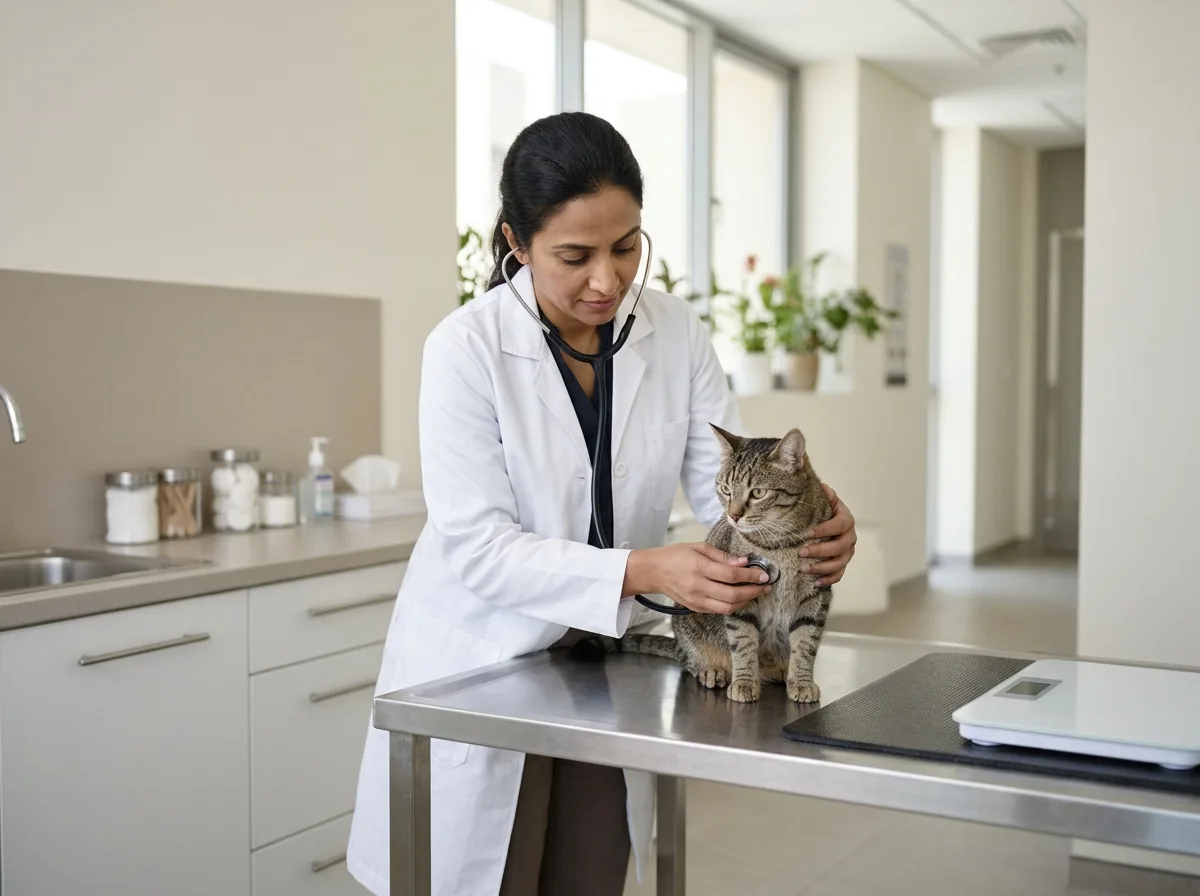
Start With the Official Source
Before you fall for a photo, make sure you are looking at the genuine adoption channel. Find the platform through Dubai Municipality's official website or its verified channels, rather than through links shared on social media or messaging groups. Unofficial pages sometimes copy animal photos and ask for deposits, so be wary of anyone requesting money outside the official process. Use the official channel to confirm:
- Who is eligible to adopt, including any residency requirements
- Which documents you will need to submit
- Whether any fees apply and how they are paid
- How collection works once an application is approved
If anything is unclear, contact the municipality directly. A short call or message can save you confusion later.
How the Process Usually Unfolds
Exact steps are set by the municipality, but shelter adoptions commonly follow a similar pattern. Knowing the general shape helps you plan your time.
- Browse profiles of available cats and dogs, noting age, size and any temperament notes
- Submit an application with your personal details and information about your home
- Answer follow-up questions, which may cover your routine, experience and living situation
- Meet the animal where possible, so you can see whether you are a good fit for each other
- Complete the paperwork and arrange collection
Try not to rush any stage. Shelters ask questions because they want placements to last, not to catch you out. Answer honestly, including about long working hours or travel plans, so you are matched with an animal who suits your real life.
Check Your Home and Tenancy First
Housing is often the deciding factor in Dubai, so sort it out before you apply. Read your tenancy contract for any clauses about pets, and speak to your landlord if you are unsure. Many buildings and communities have their own rules, particularly for dogs, covering things like size, lifts, lobbies and shared gardens. Ask your building management for written confirmation of what is allowed.
Then look at the space itself. Apartment balconies may need safety netting before a cat moves in, and windows should close securely. Dogs need somewhere comfortable indoors, especially during the summer months when walks are best kept to early mornings and late evenings. If you share your home, make sure everyone agrees to the adoption and understands the daily responsibilities involved.
Gather Your Paperwork
Having documents ready keeps your application moving. Ask the municipality exactly what is required, but you may want to prepare:
- Your Emirates ID or other identification
- Proof of address, such as your tenancy contract
- Landlord or building permission, if your contract or community requires it
- Reliable contact details for any follow-up
Pets in Dubai are generally expected to be microchipped, vaccinated and registered with the authorities. When you adopt, ask clearly what has already been done for your new animal and what you will need to arrange yourself afterwards. Keep every record you receive in one folder, along with digital copies on your phone. You will need them for vet visits, building management and any future moves.
Choosing the Right Match
It is easy to choose with your heart, but a good match considers your day-to-day life too. Think honestly about:
- Your schedule: young or energetic dogs need plenty of exercise and company, while some adult cats are content with more independence
- Your space: a large dog in a small flat can work, but only with a real commitment to outdoor time
- Who lives with you: children, older relatives or existing pets all affect which animal will settle well
- Your future plans: if you might relocate, think about how you would take your pet with you
Older animals are often overlooked, yet many are calm, already house-trained and wonderful companions. Ask the shelter about personality, not just appearance, and listen carefully to what they tell you.
Get Supplies and a Vet Lined Up
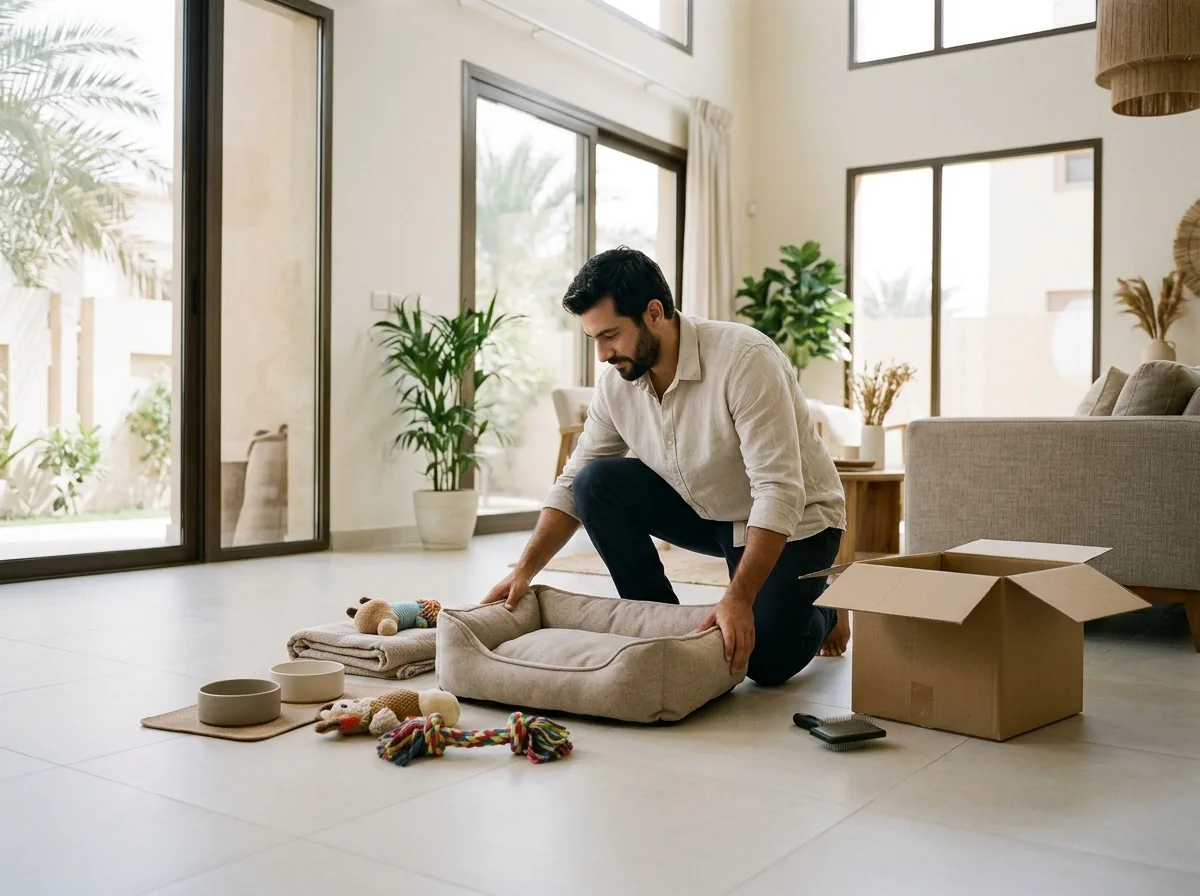
Prepare before collection day so your new companion comes home to a ready space. Useful basics include:
- A sturdy carrier or crate for the journey home
- Food and water bowls, plus food similar to what the shelter has been using
- A bed and a quiet corner away from household traffic
- A litter tray and litter for cats, or a lead, harness and waste bags for dogs
- A few toys and a scratching post for cats
Choose a local vet in advance and book an introductory check-up for the first week or two. Bring your adoption records along. Also plan your transport, as taxi and ride-hailing policies on animals can vary; a friend with a car or a pet transport service may be simpler.
The First Few Weeks at Home
Rescue animals often need time to decompress. A new home brings unfamiliar smells, sounds and people, so expect some hiding, nervousness or unsettled behaviour at first. Give your pet a quiet room to start with and let them explore at their own pace.
Keep routines predictable, with regular meal times, walks and play. Avoid having lots of visitors in the early days, however excited friends may be. Small accidents and restless nights are normal and usually ease with patience.
If you notice behaviour that worries you, speak to your vet or a qualified trainer or behaviourist rather than guessing. And if, despite real effort, the placement truly is not working, contact the shelter for guidance. Never abandon an animal; there is always a responsible route.
Frequently asked questions
Do I need my landlord's permission to adopt a pet in Dubai?
It depends on your tenancy contract and your building or community rules, which can differ widely. Check your contract and ask your landlord or building management for written confirmation before you apply.
Is there a fee to adopt from the Warsan shelter?
Fees and what they cover can change, so check the current details on Dubai Municipality's official channels. Be cautious of anyone asking for payment outside the official process.
Will my adopted pet already be vaccinated and microchipped?
Ask the shelter directly what has been done for your specific animal and request copies of all records. Then book a check-up with a local vet to arrange anything that is still outstanding.
What if my new pet seems scared or withdrawn?
Shyness is common in rescue animals, so give them a quiet space, a steady routine and plenty of time. If you are concerned about their wellbeing or behaviour, speak to a vet or qualified behaviourist.
This is general information, not veterinary advice. If your pet seems unwell, see a vet. Something here wrong or out of date? Report a correction.