Wedding Budget Breakdown in Singapore: Where the Money Goes
Advice · Published 23 October 2026
Reviewed and approved by a NearbyWise editor before publishing.
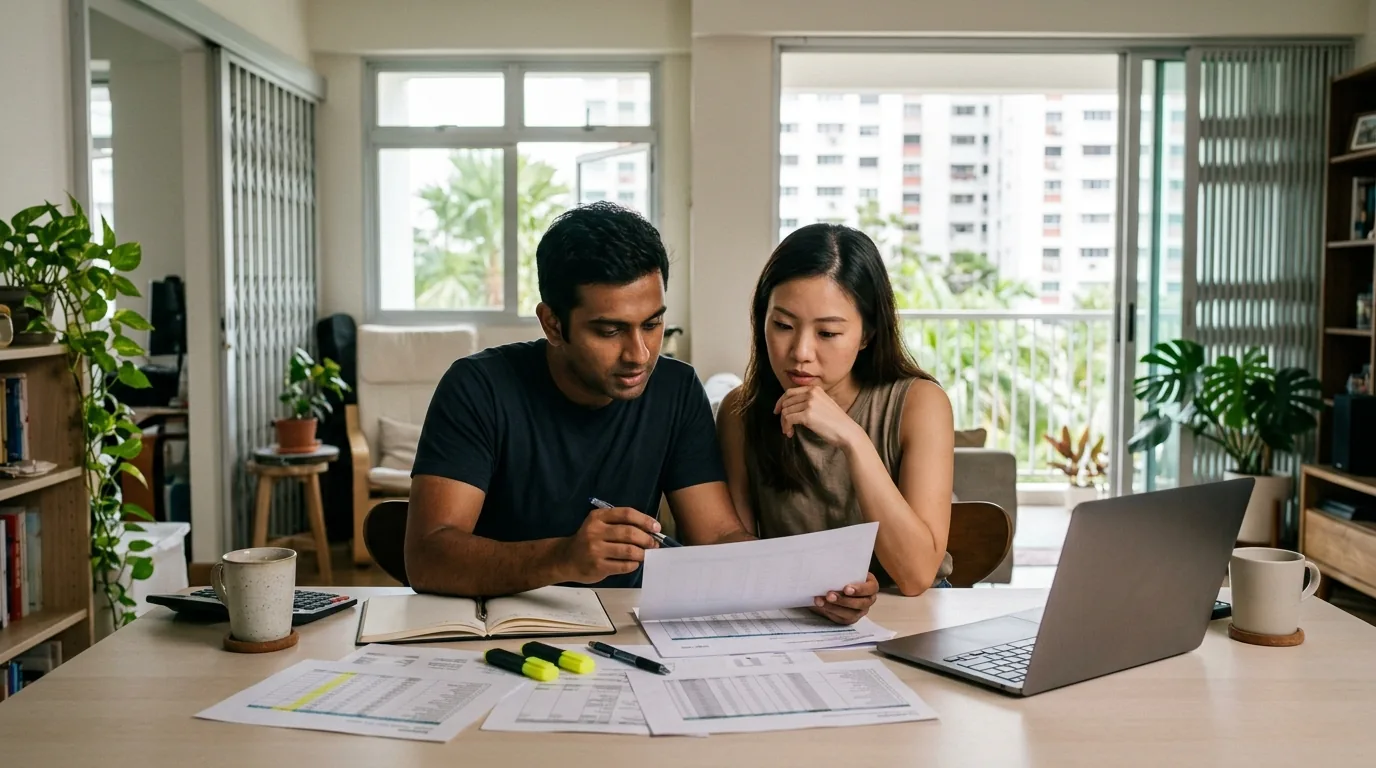
Planning a wedding in Singapore can feel like a stack of quotes arriving all at once. Before you sign anything, it helps to see the whole picture: where most of the money tends to go, which costs are flexible, and which small items quietly add up. This guide covers the main categories, from the banquet or reception to attire, photography and the extras that often get forgotten. There are no magic percentages here, because every couple's priorities are different. Instead, you'll find a practical way to build a budget that reflects what matters most to the two of you, and that your families can understand too.

Start with your total and your priorities
Before you look at venues or gowns, agree on a total figure you're both comfortable with. Be honest about what you can afford without strain, and talk openly with family if anyone is contributing, so expectations are clear from the start.
Next, each of you can list your top three priorities. Perhaps one of you cares most about the food, while the other wants beautiful photographs or a relaxed ceremony with close family. Where your lists overlap, spend more. Where something matters to neither of you, trim it.
A simple approach is to sort every item into three groups:
- Must have: the things you'd be sad to lose
- Nice to have: worth it if the budget allows
- Can skip: traditions or trends you don't feel strongly about
This gives you a clear guide whenever a quote comes in higher than expected.
The banquet or reception
For many couples, the meal is the largest single part of the budget, whether it's a hotel ballroom dinner, a restaurant lunch or a smaller gathering at a community space. Because it's usually charged per table or per guest, your guest list has the biggest influence on this cost.
When comparing venues, ask exactly what's included. Some packages bundle drinks, decorations, a wedding cake or a room for the night, while others charge for these separately. Check whether quoted figures include taxes and service charges, as this can change the total noticeably.
Timing matters too. Lunch receptions, weekdays and less popular months may be offered at different rates from Saturday evenings or auspicious dates. If you're flexible on the date, ask venues whether alternatives would work out more affordable. Finally, confirm the minimum number of tables and what happens if your numbers drop.
Attire, hair and make-up
Attire often covers more than one outfit. Many couples wear something for the morning customs, something for a solemnisation and something else for the evening, plus outfits for a pre-wedding shoot. Count every change before you budget.
You can rent, buy or borrow. Bridal studios often offer rental packages, while buying suits those who want to keep an outfit. Borrowing from family can be meaningful as well as economical. Remember to set aside money for alterations, shoes, accessories and any traditional or religious attire.
Hair and make-up can be charged per session, so a long day with several looks may cost more than expected. Ask whether a trial is included, whether the artist will stay for touch-ups and whether family members can be styled too. Don't forget outfits for parents or the wedding party if you've offered to cover them.
Photography and videography
Photographs and videos are what you'll keep long after the day, so many couples treat this as a priority. Packages vary widely, so compare like with like.
When you speak to photographers or videographers, ask about:
- Hours of coverage, and the rate if the day runs over
- How many photographers or camera operators are included
- Whether a pre-wedding shoot, albums or prints are part of the package
- How long editing takes and how files are delivered
- Travel charges if your locations are spread across the island
If the budget is tight, consider covering only the most important moments, such as the ceremony and a portion of the reception, rather than the whole day. A pre-wedding shoot is lovely but optional; some couples skip it or do a short session in a park or familiar neighbourhood instead.
Ceremonies, customs and family traditions
Weddings in Singapore often blend customs from different cultures and faiths, and each can bring its own costs. Depending on your families, this might include a tea ceremony, a solemnisation, religious rites, gifts exchanged between families, or a gathering at home before the reception.
Talk early with both families about which traditions matter to them and who usually arranges or pays for each. This avoids misunderstandings and lets you budget properly. Items such as ceremonial gifts, decorations for the home, food for visiting relatives and token gifts for helpers can add up.
If you're combining traditions, there's no single right way to do it. Choose what feels meaningful, explain your choices kindly, and remember that a simpler version of a custom can still honour its spirit. Respecting each family's wishes while staying within your means is a balance worth discussing calmly.
The costs couples often overlook
Small items rarely look significant on their own, but together they can stretch a budget. Keep an eye on:
- Invitations and postage, including digital design if you go paperless
- Transport, such as a bridal car, taxis between locations or shuttles for elderly guests
- Favours, door gifts and thank-you tokens for friends who help on the day
- Corkage or extra drinks beyond what the package covers
- Overtime charges if vendors stay longer than agreed
- Deposits you may lose if you change plans
- Accommodation or meals for relatives travelling from overseas
- Rings, which are sometimes left out of the wedding budget entirely
It's sensible to set aside a contingency fund for surprises. Even a modest buffer can turn a stressful last-minute expense into a minor adjustment.
Keeping track and staying calm
A shared spreadsheet or budgeting app helps you both see the full picture. List every item with its quoted cost, deposit paid, balance due and payment date. Update it whenever plans change, so there are no surprises close to the day.
Read every contract carefully before signing. Check cancellation terms, what happens if a date needs to move, and exactly what's included. If anything is unclear, ask for it in writing.
It's easy to feel pressure to keep adding upgrades, especially when browsing social media. Come back to your priority list whenever you're tempted. If money worries start affecting your relationship or wellbeing, it can help to talk things through with someone you trust, and for bigger financial decisions, consider speaking to a qualified financial adviser. Your wedding is one day; starting married life on a stable footing matters more.
Frequently asked questions
What usually takes up the biggest share of a Singapore wedding budget?
For many couples, the banquet or reception is the largest cost, mainly because it's charged per table or guest. Your guest list size has the strongest influence on it.
How can we cut costs without the wedding feeling cheap?
Focus spending on the few things you both care about most and simplify the rest. Choosing a lunch or weekday reception, renting attire and trimming the guest list can make a real difference.
Should we include a contingency fund?
Yes, setting aside a buffer for unexpected costs is a sensible habit. It helps you handle overtime charges, last-minute guests or forgotten items without stress.
How do we handle family expectations about the budget?
Talk openly and early about which traditions matter to each family and who is contributing what. Clear, kind conversations help avoid misunderstandings later.
This is general information to help you plan. Something here wrong or out of date? Report a correction.