Banned Dog Breeds in Dubai: A Guide for New Owners
Advice · Published 16 October 2026
Reviewed and approved by a NearbyWise editor before publishing.
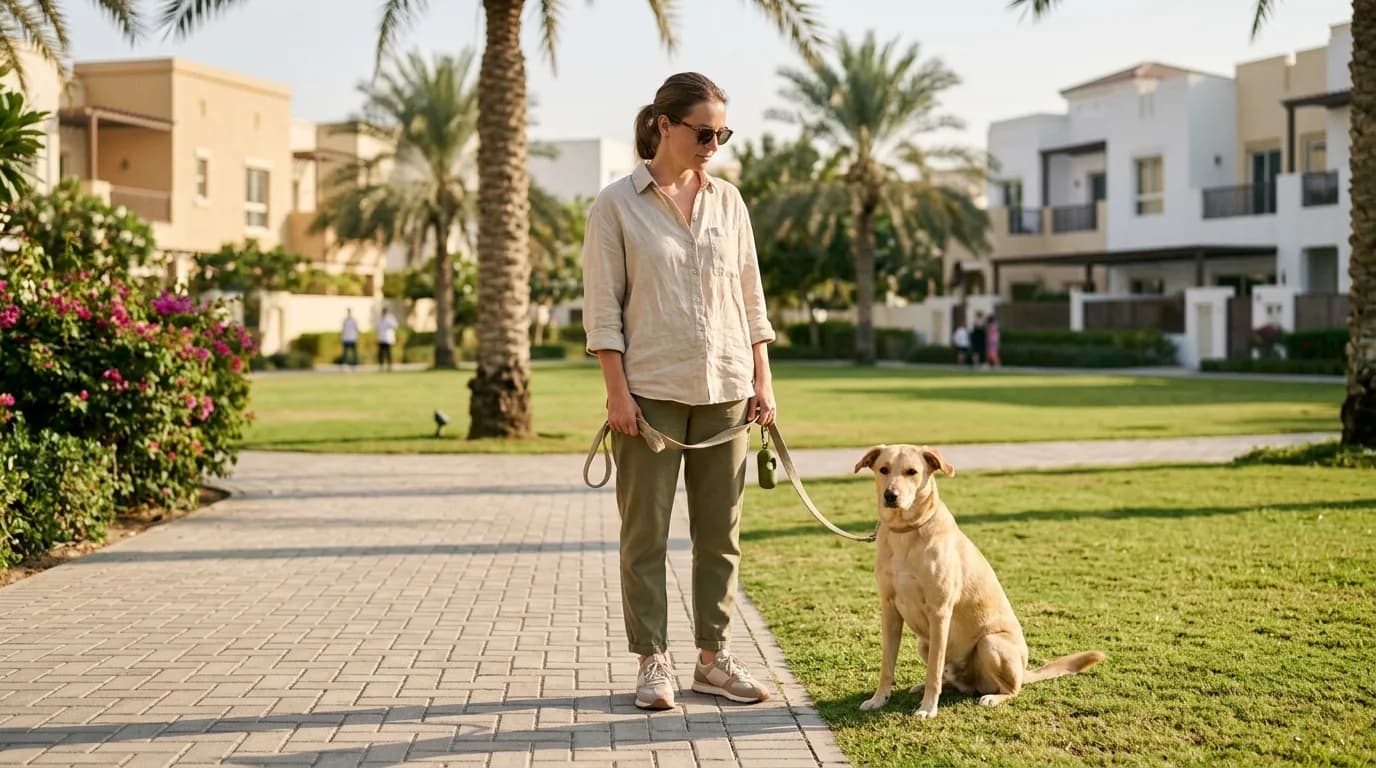
Bringing a dog into your life in Dubai is exciting, but it comes with a responsibility many new owners overlook: checking whether your dog's breed is allowed. The UAE restricts certain breeds and crossbreeds, and the rules affect adoption, importing a pet and everyday life in your community. Getting this wrong can mean heartbreak for you and real hardship for the dog. This guide explains how breed restrictions generally work, what to confirm before you commit, and how to plan if you are adopting locally or relocating with a much-loved companion.

Why Some Breeds Are Restricted
The UAE regulates dogs it considers potentially dangerous, mainly larger, powerful breeds and fighting-type dogs. The stated aim is public safety, especially in a densely populated city where people, children and other pets share pavements, parks and lifts.
It helps to remember that these rules are about breed categories, not your individual dog. A gentle, well-trained dog can still fall under a restriction because of its breed or appearance. That can feel unfair, particularly if you have raised a loving family pet, but the rules apply regardless of temperament.
Regulations are set at national level, with local authorities such as Dubai Municipality handling enforcement and registration. Lists and requirements can be updated, so treat anything you read online, including this article, as a starting point rather than the final word. Always check the current official guidance before making decisions.
Which Dogs Are Usually Affected
Restricted lists in the UAE have typically covered fighting-type and large guarding breeds. These have commonly included:
- Pit bull–type dogs and similar bull breeds
- Several mastiff breeds
- Certain large guarding or working breeds
- Crossbreeds and mixes of any listed breed
That last point catches many people out. A dog does not need to be purebred to be affected; a mix that includes a restricted breed may also fall under the rules.
Because the exact list can change and wording matters, look up the current version published by the Ministry of Climate Change and Environment before you choose a dog. If your dog's ancestry is unclear, which is common with rescue dogs, ask a vet or the authorities how a dog of uncertain heritage is likely to be treated. Never guess or describe a dog inaccurately on paperwork.
Banned Versus Restricted
You will often see the terms "banned" and "restricted" used loosely, but they can mean different things in practice.
Banned generally means a breed cannot be imported or kept at all. Restricted may mean a breed is allowed only under certain conditions, such as being muzzled and leashed in public, registered with the authorities, or kept under specific supervision.
Which category a breed falls into, and what conditions apply, is exactly the detail you need to confirm before committing. Ask clearly:
- Can this breed be imported into the UAE?
- Can it be kept in a home in Dubai?
- What conditions apply in public spaces?
If anything is unclear, it is worth speaking to the relevant authority directly or a qualified professional who handles pet relocation and licensing.
Adopting a Dog Locally
Adopting a rescue dog in Dubai is a wonderful thing to do, and many dogs are waiting for homes. Before you fall in love with a particular face, take a few practical steps.
- Ask the rescue group directly about the dog's likely breed mix and whether it raises any restriction concerns.
- Request vaccination and microchip records, and make sure registration is completed in your name.
- Check your tenancy terms, as some landlords and communities have their own pet rules beyond the law.
- Think about size and energy in relation to your home, schedule and the summer heat.
Responsible rescue groups will usually be open about these questions. If you feel pressured to decide quickly without clear answers, it is fine to pause. Taking time now protects both you and the dog from a difficult situation later.
Moving to Dubai With Your Dog
If you are relocating with a dog, check the breed rules before you book flights or sign a lease. Discovering a restriction late can leave you facing painful choices at a stressful time.
Start early, ideally several months ahead. Import requirements commonly involve microchipping, up-to-date vaccinations, health certificates and an import permit, and some steps require waiting periods. Your vet in your current country can help with health paperwork, and a pet relocation specialist can guide you through the process.
If your dog's breed is on a banned list, honesty matters. Do not try to mislabel your dog or hide its breed; this can lead to serious consequences and puts your pet at risk. Instead, explore your options calmly, which might include rehoming with trusted friends or family in your current country, or reconsidering timing. Speaking to a counsellor can also help if the decision weighs heavily on you.
Daily Life With a Larger Breed
Even if your dog is not restricted, owning a large or strong dog in Dubai calls for extra care and consideration for neighbours.
- Keep your dog leashed in public and respect areas where dogs are not permitted.
- Invest in training so your dog stays calm around people, children and other animals.
- Plan walks around the heat, aiming for early mornings and evenings, and watch for hot pavements.
- Clean up after your dog every time.
Many residents are nervous around dogs, sometimes for cultural or personal reasons, and a little courtesy goes a long way. Giving people space in lifts and corridors, and asking before letting your dog approach anyone, helps build goodwill. If your dog shows anxiety or reactive behaviour, a qualified trainer or your vet can point you towards suitable support.
If Your Dog Doesn't Meet the Rules
Finding out that your dog may not be allowed can be genuinely upsetting. It is natural to feel grief, frustration or guilt, and those feelings deserve kindness.
Try to focus on what is best for your dog's long-term safety and happiness. Options might include:
- Rehoming with someone you trust in a country where the breed is permitted
- Delaying your move while you find a good solution
- Seeking advice from a reputable rescue network about responsible rehoming
Avoid informal handovers to strangers, and never abandon a dog. If you are unsure of your legal position, speak to the relevant authority or a qualified professional rather than relying on hearsay. And if the emotional side is hard to manage, talking it through with a counsellor or a supportive friend can make a real difference.

Frequently asked questions
Where can I find the official list of banned dog breeds in the UAE?
Check the latest guidance from the Ministry of Climate Change and Environment and Dubai Municipality. Lists can change, so always rely on current official sources rather than older articles or forums.
Are mixed-breed dogs affected by the restrictions?
They can be, as crosses of restricted breeds are often included. If your dog's ancestry is uncertain, ask a vet or the authorities for guidance before adopting or importing.
Can I keep a restricted breed if I already live in Dubai?
It depends on whether the breed is banned outright or allowed under conditions such as registration, leashing and muzzling. Confirm your specific situation with the relevant authority.
What should I do if my landlord has different pet rules?
Your tenancy agreement and community rules may add restrictions beyond national law. Read your lease carefully and get any pet permission in writing before your dog moves in.
This is general information, not veterinary advice. If your pet seems unwell, see a vet. Something here wrong or out of date? Report a correction.